


When you’re preparing a nursery, the sheer volume of advice about paint colors, furniture styles, and safety standards can feel overwhelming. Many parents assume all decor options are created equal, but the materials you choose directly impact your baby’s health and development. Organic wooden decor offers unique advantages that plastic and particle board simply can’t match, from eliminating harmful chemical exposure to supporting sustainable practices. This guide cuts through the confusion, showing you exactly why organic wood matters and how to select pieces that truly protect your little one while creating a beautiful, lasting space.
Table of Contents
- What does ‘organic wooden decor’ really mean?
- Safety and health: Why materials matter for nurseries
- Sustainability and eco-friendliness of organic wooden decor
- Durability and value: How wood compares to other nursery decor materials
- Developmental benefits of natural wood for babies and young children
- What most parents miss: Pitfalls and how to choose true organic wooden decor
- Ready to transform your nursery with organic wooden decor?
- Frequently asked questions
Key Takeaways
| Point | Details |
|---|---|
| Certified wood is safest | Look for FSC and GREENGUARD Gold to ensure your nursery decor is non-toxic and eco-friendly. |
| Wooden decor lasts longer | Solid wood pieces resist breakage and often become treasured family heirlooms. |
| Supports healthy development | Natural wood encourages sensory play and creativity during key early childhood years. |
| Pitfalls are avoidable | Always verify certifications and avoid decor with unclear sourcing or finishes. |
| Eco-friendly makes a difference | Sustainably sourced wooden decor has less environmental impact compared to plastic alternatives. |
What does ‘organic wooden decor’ really mean?
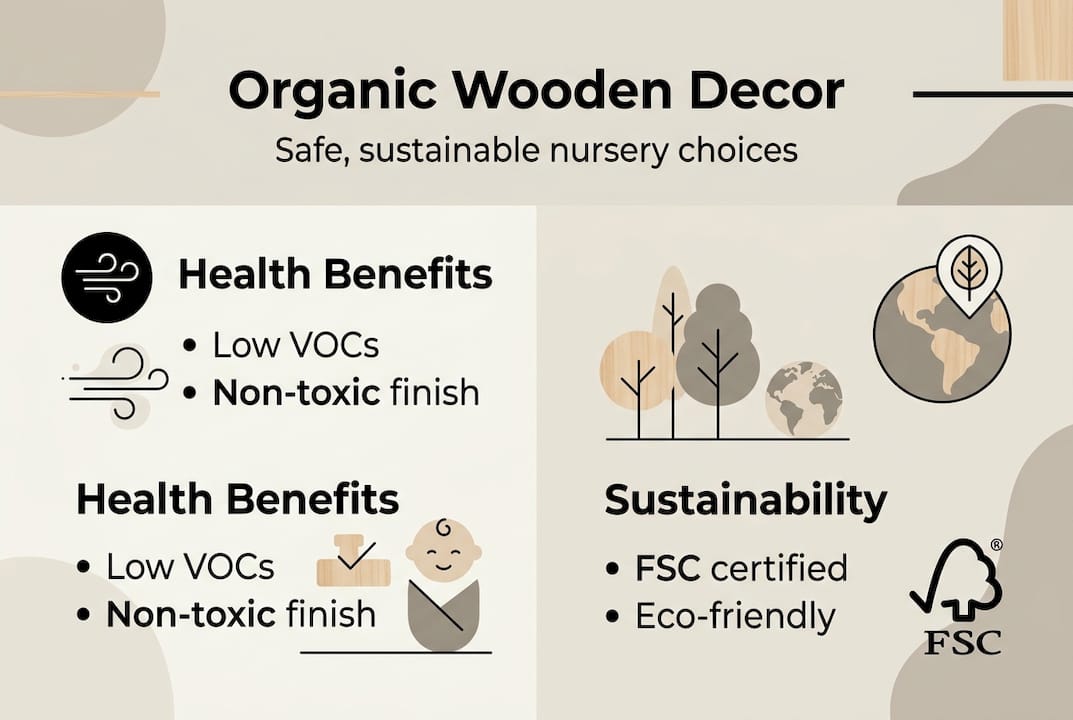
The term “organic” gets thrown around freely in nursery marketing, but what does it actually mean for wooden decor? True organic wooden products come from sustainably managed forests where trees are harvested without pesticides or synthetic chemicals. The wood is then finished with non-toxic, low-VOC treatments like natural oils or water-based sealants rather than conventional varnishes that release harmful fumes.
Certifications matter enormously here. FSC-certified organic wood ensures sustainable sourcing, reducing environmental impact while maintaining quality. GREENGUARD Gold certification goes further by testing finished products for chemical emissions, ensuring they won’t pollute your nursery’s air. When you see these labels, you’re getting verified safety rather than marketing promises.
Look for these red flags in non-organic decor:
- Strong chemical smells that persist after unpacking
- Missing or vague information about wood source and finishing
- Particle board or MDF construction with synthetic binding agents
- Absence of third-party safety certifications
- Prices that seem too good to be true for “solid wood” claims
Authentic organic wooden decor prioritizes your baby’s wellbeing through transparent sourcing and safe, natural solutions that eliminate guesswork. Understanding these distinctions helps you invest in pieces that deliver real protection rather than empty eco-friendly claims.
Safety and health: Why materials matter for nurseries
Your baby’s developing respiratory system is uniquely vulnerable to airborne chemicals. Children are vulnerable to VOCs and chemical exposure from furnishings, making material choices critical for nursery health. Conventional wood products treated with high-emission finishes release volatile organic compounds that can trigger respiratory irritation, headaches, and long-term health concerns.
Non-toxic finishes on wood minimize health risks by avoiding these emissions entirely. Natural oil finishes and water-based sealants create protective barriers without introducing harmful substances into your nursery’s air. This matters especially during those first months when your baby spends countless hours in their room.
| Material | VOC Emissions | Durability | Chemical Safety | Maintenance |
|---|---|---|---|---|
| Organic Wood | Minimal to none | Excellent | High | Low |
| Plastic | Moderate | Fair | Moderate | Low |
| Particle Board | High | Poor | Low | Moderate |
| Conventional Wood | Moderate to high | Good | Moderate | Moderate |
The difference becomes stark when you compare materials side by side. Plastic decor may seem convenient, but it often contains phthalates and BPA that leach over time. Particle board relies on formaldehyde-based adhesives that off-gas for months or years. Organic wood with proper finishing eliminates these concerns completely.
Pro Tip: Before purchasing any nursery decor, ask retailers for GREENGUARD Gold or FSC certification documentation. Reputable sellers will provide this information readily, while vague responses signal potential quality issues.
Parents following our wooden decor building guide often report noticeable improvements in nursery air quality. The absence of chemical odors creates a fresher environment where babies sleep more soundly. When you’re selecting wooden shelf decor, prioritize pieces with documented low-emission finishes to maximize these health benefits.
Sustainability and eco-friendliness of organic wooden decor
Choosing organic wooden decor extends your values beyond your nursery walls. FSC-certified organic wood ensures sustainable sourcing, protecting forests while supporting communities that depend on responsible forestry. This certification system tracks wood from forest to finished product, guaranteeing that your purchase doesn’t contribute to deforestation or habitat destruction.
Sustainable wood harvesting operates on regeneration principles. Foresters remove mature trees selectively, allowing younger growth to flourish and maintaining forest ecosystems. This contrasts sharply with clear-cutting practices that devastate landscapes and eliminate wildlife habitats. When you buy FSC-certified pieces, you’re voting for forestry methods that preserve natural resources for future generations.
Demand these practices from nursery decor brands:
- Third-party certification from FSC or equivalent organizations
- Transparent supply chain documentation showing wood origin
- Fair labor practices throughout production
- Low-impact finishing methods using renewable materials
- Commitment to carbon-neutral shipping when possible
Organic wooden decor offers environmental advantages throughout its lifecycle. Solid wood pieces last decades rather than years, reducing replacement waste. When they eventually reach end-of-life, wood decomposes naturally or can be repurposed, unlike plastic that persists in landfills for centuries. The finishes used on organic pieces break down safely without releasing toxins into soil or water.
FSC certification protects over 500 million acres of forest worldwide, ensuring that wood products support rather than harm global ecosystems and the communities that depend on them.
This commitment to sustainability aligns perfectly with the values many parents develop during pregnancy and early parenthood. Creating a timeless wooden decor nursery becomes an extension of your desire to leave a healthier planet for your children.
Durability and value: How wood compares to other nursery decor materials
Investing in nursery decor means balancing immediate costs against long-term value. Solid wood provides superior durability, resisting breakage into sharp pieces and lasting generations. This durability translates directly into safety and savings as your child grows from infant to toddler to preschooler.
| Feature | Organic Wood | Plastic | Particle Board |
|---|---|---|---|
| Lifespan | 20+ years | 2-5 years | 3-7 years |
| Breakage Risk | Low | Moderate to high | High |
| Repair Potential | Excellent | Poor | Very poor |
| Heirloom Quality | Yes | No | No |
| Cost per Year | Low | Moderate | Moderate |
Plastic decor might cost less initially, but it cracks, fades, and breaks under normal use. Those cute plastic wall decorations often need replacement within a few years, while wooden pieces maintain their beauty and function indefinitely. Particle board falls apart when exposed to moisture or rough handling, making it particularly unsuitable for active toddlers.
The heirloom potential of quality wooden decor adds emotional and practical value. Pieces you select for your first child can transition to younger siblings, then eventually to grandchildren. This continuity creates family connections while eliminating the need to repurchase decor for each new baby.
Pro Tip: Check craftsmanship by examining joints and finish quality. Dovetail or mortise-and-tenon joints indicate superior construction, while visible glue lines or rough edges suggest shortcuts that compromise durability.
Understanding the durability of wooden decor helps you make confident purchasing decisions. When you calculate cost per year of use, organic wooden pieces often prove more economical than cheaper alternatives that require frequent replacement.
Developmental benefits of natural wood for babies and young children
The materials surrounding your baby influence how they explore and learn. Wooden decor promotes sensory development and open-ended play, aiding cognitive skills in infants to preschoolers. The natural variations in wood grain, texture, and weight provide richer sensory input than uniform plastic surfaces.
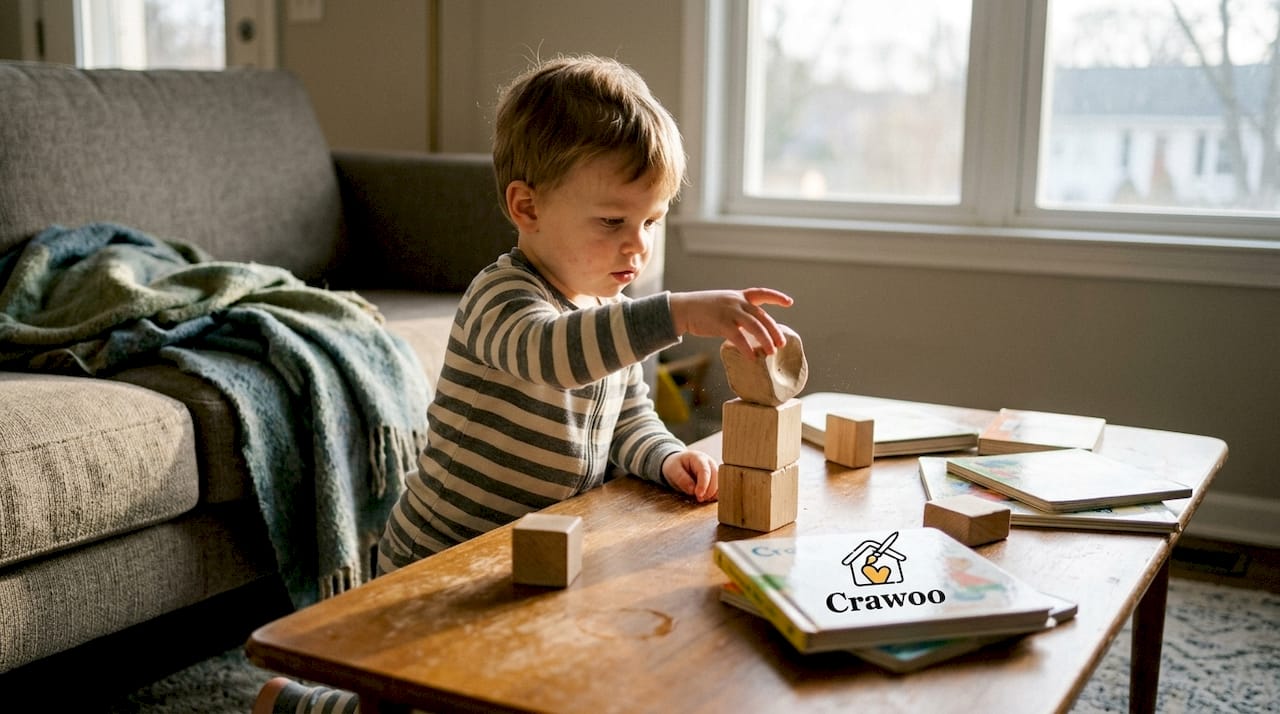
Research shows that open-ended materials like wood enhance problem-solving and creativity in young children. Wooden decor elements invite imagination rather than dictating specific uses. A simple wooden shelf becomes a stage for storytelling, a display for treasures, or a landscape for small toys, adapting as your child’s interests evolve.
Here’s how natural wood supports early development:
- Tactile Learning: Wood’s varied textures and temperatures stimulate touch receptors, building neural connections that support fine motor skills.
- Acoustic Properties: Wood produces distinct sounds when tapped or moved, helping babies differentiate auditory inputs and develop listening skills.
- Visual Complexity: Natural grain patterns and color variations encourage visual tracking and pattern recognition.
- Weight and Balance: Wooden objects have authentic heft that teaches cause and effect as babies manipulate them.
- Thermal Feedback: Wood feels warm to touch, providing comfort and encouraging extended exploration.
Some experts note that while wood offers clear sensory and safety advantages, no single material guarantees developmental superiority. The key lies in providing diverse, safe materials that invite exploration. Mixing quality wooden pieces with soft textiles and other natural elements creates the richest learning environment.
Parents exploring nursery decor and baby development connections often observe how their children interact differently with wooden versus plastic items. Wooden pieces tend to hold attention longer and inspire more creative play scenarios, though individual preferences vary.
What most parents miss: Pitfalls and how to choose true organic wooden decor
Navigating nursery decor marketing requires skepticism and knowledge. Many products labeled “natural” or “eco-friendly” fail to meet genuine organic standards. Poorly finished wood can splinter or emit VOCs if treated with high-emission coatings, making certification verification essential.
Greenwashing tactics include vague terms like “earth-friendly” without supporting documentation, images of forests on packaging for products made from particle board, and claims about “natural” finishes that still contain synthetic chemicals. Authentic organic wooden decor comes with specific certifications and detailed information about sourcing and finishing.
Follow these guidelines for confident purchasing:
- Request certification documents before buying, not just marketing claims
- Research brand reputations through independent reviews and safety databases
- Examine finish descriptions for specific product names, not generic terms
- Compare prices across certified organic options to identify suspiciously low costs
- Ask about wood species and origin to verify sustainability claims
- Inspect items in person when possible to assess quality and smell
- Avoid products with strong odors that indicate off-gassing
Mixing materials thoughtfully enhances both safety and aesthetics. Combining certified wooden pieces with organic cotton textiles, wool felt accents, and natural fiber rugs creates visual interest while maintaining health standards. This approach lets you incorporate color and softness without compromising on safety.
Understanding wood decor craftsmanship helps you distinguish quality pieces from mass-produced alternatives. Hand-finished items often feature superior attention to detail and safer finishing methods. Staying current with nursery decor trends while prioritizing certification ensures your choices are both stylish and safe.
Ready to transform your nursery with organic wooden decor?
You’ve learned how authentic organic wooden decor protects your baby’s health, supports sustainable practices, and provides lasting value. Now it’s time to bring these benefits into your nursery with pieces that combine beauty, safety, and craftsmanship.
Our collection features FSC-certified wooden decor finished with non-toxic, low-VOC treatments that meet the highest safety standards. Each piece is crafted to grow with your child, from those precious newborn days through active toddler years and beyond. Whether you’re drawn to personalized ocean nursery decor or exploring custom wooden signs that reflect your family’s unique style, you’ll find options that prioritize your baby’s wellbeing without sacrificing design.
Frequently asked questions
What certifications should I look for in organic wooden decor?
Look for FSC and GREENGUARD Gold labels to ensure wood is sustainably sourced and low in chemical emissions. These certifications provide independent verification of safety and environmental standards.
Is organic wooden decor more expensive than plastic?
Organic wooden decor can cost more upfront, but it lasts generations while plastic breaks within years. Calculate cost per year of use to see the true value advantage.
Will organic wooden decor help with my baby’s development?
Wooden items encourage sensory and open-ended play, which studies link to healthy cognitive and creative growth. The varied textures and natural properties stimulate learning.
How can I avoid buying fake ‘organic’ wooden decor?
Verify certifications like GREENGUARD Gold or FSC before purchasing and buy from reputable sellers who detail wood source and finishes. Request documentation rather than accepting marketing claims.
When should I avoid wooden nursery decor?
Avoid poorly finished wood or uncertified items, as these may splinter or emit harmful chemicals. Always verify finishing methods and certifications before bringing any wooden piece into your nursery.
Recommended
Subscribe to Our Newsletter
Leave a comment