


You’ve probably heard that wood decor in nurseries is either too traditional or potentially unsafe for babies. That’s outdated thinking. Modern wood decor in 2026 combines stunning style with rigorous safety standards and environmental responsibility. From warm walnut tones to certified non-toxic finishes, today’s nursery wood elements offer parents the perfect blend of beauty, durability, and peace of mind. This guide walks you through the trending woods, essential safety certifications, and smart design choices that create a nursery your child can grow with for years.
Table of Contents
- Key takeaways
- Warm, natural woods and colors setting the 2026 nursery style
- Choosing safe and durable woods for long-lasting nurseries
- Certifications and finishes: ensuring a healthy, eco-friendly nursery environment
- Practical design trends: multi-functional furniture and safe decor placement
- Explore wooden nursery decor products for your stylish nursery
- FAQ
Key Takeaways
| Point | Details |
|---|---|
| Warm wood tones | 2026 nurseries favor warm natural woods like walnut, oak, and maple paired with earthy neutrals to create calming, sophisticated spaces. |
| Safe durable woods | Hard maple, birch, and oak with certifications like GREENGUARD Gold and FSC ensure low toxicity and long lasting furniture. |
| Certifications matter | GREENGUARD Gold and FSC verify safe finishes and responsible sourcing for nursery furniture. |
| Montessori style practicality | Convertible furniture and Montessori style designs enhance practicality and allow pieces to adapt as a child grows. |
| Wood and lighting | Pair wood with warm metals and layered lighting to achieve a modern cozy nursery look. |
Warm, natural woods and colors setting the 2026 nursery style
The nursery aesthetic in 2026 centers on warm natural woods like walnut, oak, and maple paired with earthy neutrals. These materials create calming, organic environments that support infant development while maintaining sophisticated style. Walnut brings rich chocolate tones that age beautifully, oak offers classic honey hues with prominent grain patterns, and maple provides lighter cream tones that brighten smaller spaces.
Earthy neutral colors complement these woods perfectly. Mushroom grays, cocoa browns, and sage greens form the foundation of modern nursery palettes, replacing the stark whites and primary colors of previous generations. These subtle shades create visual harmony without overstimulating young minds, while providing a versatile backdrop for wood furniture and accents.
The combination works because natural wood tones and muted earth colors mimic outdoor environments. This biophilic approach reduces stress for both parents and babies, creating spaces that feel restorative rather than clinical. When you pair a walnut crib with mushroom-colored walls and sage green textiles, the room feels cohesive and intentional.
Popular wood types and complementary colors include:
- Walnut for rich, dark tones that add warmth and sophistication
- White oak for lighter, airier spaces with visible grain character
- Hard maple for clean, contemporary looks with minimal grain
- Birch for budget-friendly options with subtle pink undertones
- Beech for smooth surfaces and consistent coloring
Color palette elements that enhance wood decor:
- Mushroom gray as a neutral wall base
- Cocoa brown in textiles and soft furnishings
- Sage green for accent walls or bedding
- Warm terracotta for small pops of color
- Cream and ivory to lighten darker wood tones
These trending combinations create nurseries that photograph beautifully while remaining practical for daily use. The natural variation in wood grain ensures each piece feels unique, while the coordinated color palette ties everything together. For parents seeking wooden nursery decor safe natural solutions 2026, this approach delivers both visual appeal and functional longevity.
Choosing safe and durable woods for long-lasting nurseries
Understanding wood hardness and safety characteristics helps you select nursery pieces that withstand years of use. Hardwoods come from deciduous trees and feature dense cellular structures that resist dents, scratches, and splintering. Softwoods from coniferous trees have more open grain patterns that compress easily under pressure, making them poor choices for cribs, changing tables, and other high-contact surfaces.
The Janka hardness scale measures wood’s resistance to wear by testing the force needed to embed a steel ball halfway into the surface. Recommended safe woods include hard maple at 1450 Janka, birch at 1260, and various oak species around 1300. These ratings indicate superior durability for furniture that babies will grip, teeth on, and eventually climb.
| Wood Type | Janka Hardness | Safety Features | Best Uses |
|---|---|---|---|
| Hard maple | 1450 | Extremely dense, splinter-resistant, minimal toxicity | Cribs, dressers, changing tables |
| Birch | 1260 | Strong, smooth finish, affordable | Furniture frames, shelving |
| Red oak | 1290 | Durable, prominent grain, widely available | Bed frames, storage pieces |
| Beech | 1300 | Fine grain, excellent for curved pieces | Rocking chairs, decorative items |
| Pine | 380-560 | Soft, dents easily, resin content | Avoid for high-wear nursery items |
Softwoods like pine pose multiple problems in nurseries. Their low Janka ratings mean they dent from normal use, creating rough surfaces that can catch clothing or skin. Pine also contains natural resins that may trigger sensitivities in some children. While pine works fine for decorative wall art or low-contact items, it fails quickly on cribs or tables where durability matters.
Treated woods present toxicity concerns that make them unsuitable for any indoor nursery use. Pressure-treated lumber contains chemical preservatives designed for outdoor applications, and these compounds can off-gas in enclosed spaces. Even older furniture refinished with unknown products carries risk, since many vintage pieces used lead-based paints or toxic sealers.
Pro Tip: Source hardwoods from local suppliers with transparent harvesting practices and third-party certifications. This ensures you’re getting genuinely safe materials while supporting sustainable forestry.
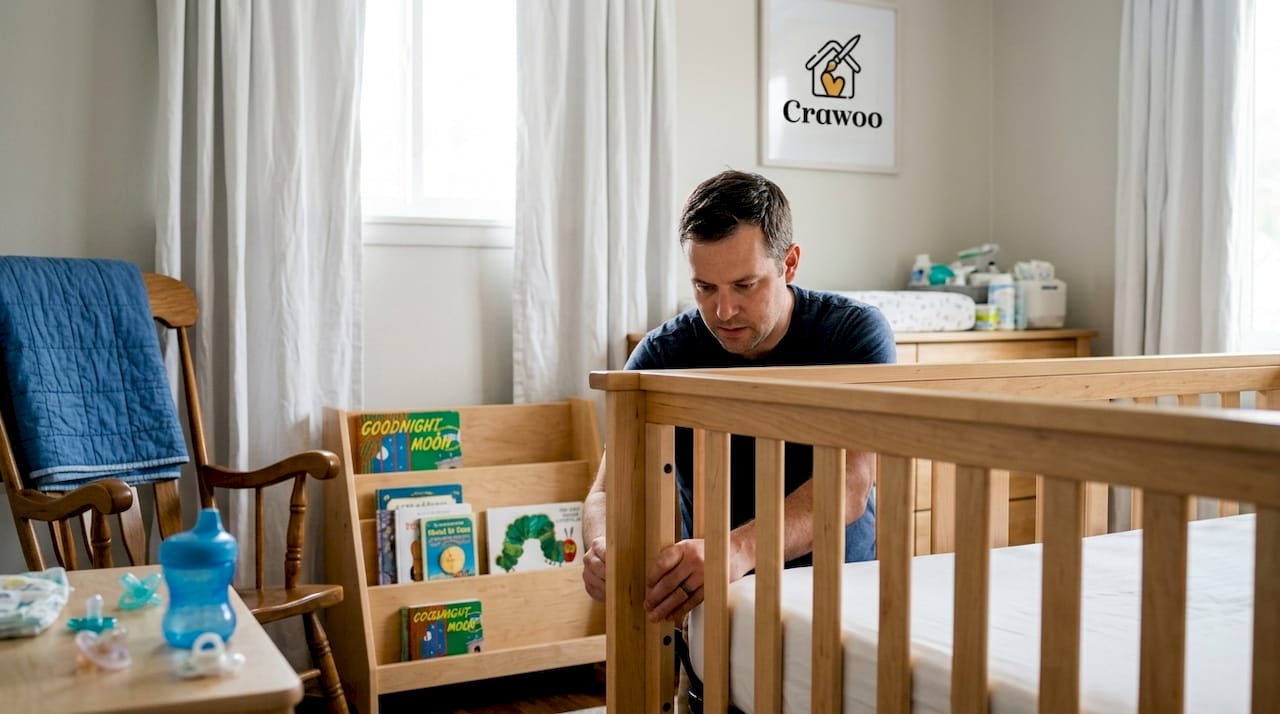
Heirloom-quality wood furniture represents a smart investment for growing families. A well-constructed maple crib converts to a toddler bed and eventually a full-size frame, serving your child for 15 years or more. This longevity reduces waste and saves money compared to replacing cheaper pieces every few years. For guidance on how to make wooden nursery decor 2026 guide, understanding these material fundamentals provides the foundation for informed decisions.
Certifications and finishes: ensuring a healthy, eco-friendly nursery environment
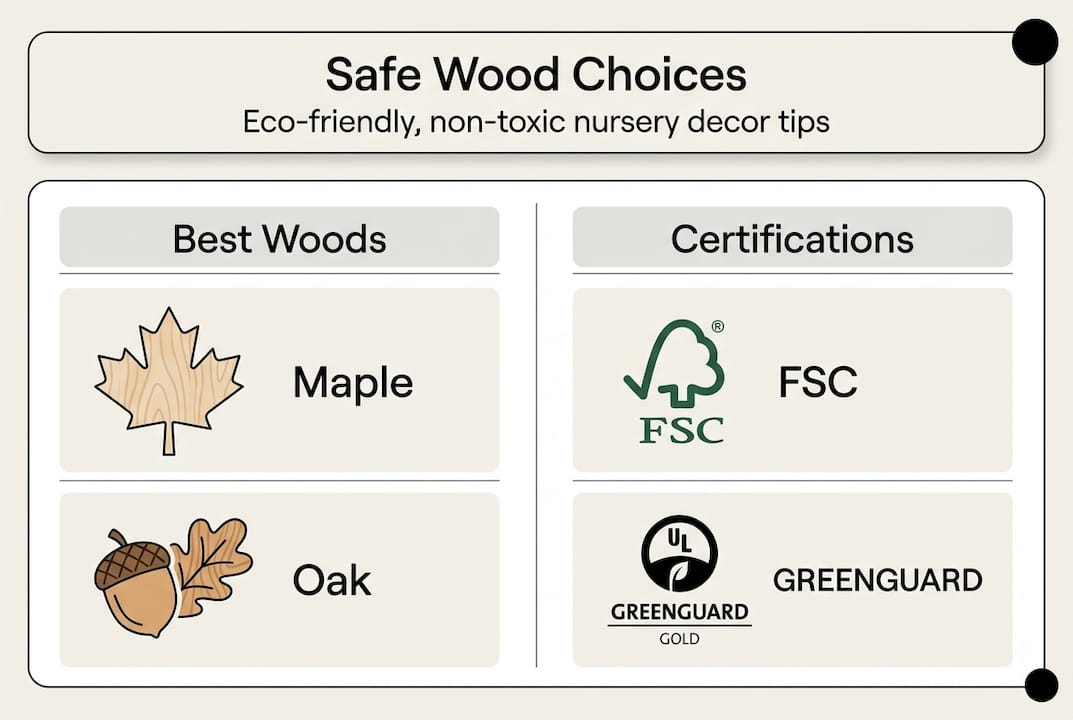
Third-party certifications provide objective verification that wood products meet strict safety and sustainability standards. GREENGUARD Gold certification tests for volatile organic compounds, ensuring products emit VOCs at 500 µg/m³ or less. This matters because babies breathe faster than adults and spend most of their time in nurseries, making them particularly vulnerable to airborne chemicals.
Forest Stewardship Council and Programme for the Endorsement of Forest Certification marks indicate responsible harvesting practices. FSC and PEFC certified woods come from forests managed for biodiversity, worker rights, and long-term ecological health. These certifications prevent illegal logging and ensure the wood in your nursery doesn’t contribute to deforestation.
OEKO-TEX Class I certification applies to textiles and materials intended for infant contact, testing for harmful substances including formaldehyde, heavy metals, and pesticides. ASTM F1169 and EN716 are safety standards specifically for cribs and children’s furniture, covering structural integrity, spacing between slats, and finish safety.
Key certification benefits:
- Independent verification removes guesswork from product safety assessment
- Standardized testing protocols ensure consistent quality across manufacturers
- Regular audits maintain compliance over time rather than one-time checks
- Transparent supply chains let you trace materials from forest to finished product
- Legal accountability holds companies responsible for certification claims
Volatile organic compounds are carbon-based chemicals that evaporate at room temperature, releasing gases that can irritate airways, trigger headaches, and potentially cause developmental issues with prolonged exposure. Traditional wood finishes like oil-based polyurethane, lacquers, and stains contain high VOC levels that continue off-gassing for months after application.
Water-based finishes offer a safer alternative with dramatically lower VOC content. These modern formulations provide excellent durability while drying quickly and releasing minimal fumes. Natural oil finishes like linseed or tung oil work well for some applications, though they require more maintenance and longer curing times.
Common finish types and safety profiles:
- Water-based polyurethane: Low VOCs, durable, clear finish, minimal odor
- Natural oils (linseed, tung): Zero VOCs when pure, requires reapplication, longer dry time
- Shellac: Natural resin, low toxicity when cured, less durable than polyurethane
- Beeswax: Food-safe, easy application, needs frequent renewal, limited protection
- Oil-based polyurethane: High VOCs, extremely durable, strong odor, long cure time (avoid for nurseries)
- Lacquer: Very high VOCs, professional application, fast drying (avoid for nurseries)
The sustainability benefits of certified woods extend beyond environmental protection. Supporting responsible forestry creates economic incentives for conservation, helping preserve forests that regulate climate, protect watersheds, and provide habitat for countless species. When you choose FSC-certified wood for your nursery, you’re voting with your wallet for practices that benefit the planet your child will inherit.
For parents interested in wood decor craftsmanship nursery, understanding these certifications and finish options ensures every piece you select meets the highest safety and environmental standards.
Practical design trends: multi-functional furniture and safe decor placement
Convertible furniture addresses the rapid changes in children’s needs from infancy through early childhood. A convertible crib transforms into toddler and full-size beds, eliminating the need to purchase new frames every few years. This adaptability saves money while reducing furniture waste, and it maintains visual continuity as your child’s room evolves.
The investment math works strongly in favor of convertible pieces. A quality convertible crib costs $400 to $800 but serves for 10 to 15 years. Buying separate infant, toddler, and youth beds totals $1,200 to $2,000 over the same period, not counting the time and effort of furniture shopping and assembly. Convertible dressers with removable changing toppers similarly extend their usefulness beyond the diaper years.
Montessori floor beds have surged in popularity as parents embrace child-led development philosophies. These low-profile beds allow infants and toddlers to enter and exit independently, fostering autonomy and spatial awareness. Floor beds eliminate fall risks associated with standard cribs while supporting natural sleep cycles, since children can move freely rather than crying to be lifted out.
The design typically features a simple wooden frame just inches off the floor, often with house-shaped canopy structures that define the sleep space without creating barriers. This approach requires careful room babyproofing since mobile infants have complete access to the space, but many parents find the developmental benefits worth the extra preparation.
Safe wall decor installation guidelines:
- Mount all wall art at least 3 feet from crib edges to prevent reaching or climbing access
- Use secure hanging hardware rated for item weight, not adhesive strips for anything over 1 pound
- Avoid hanging items directly above cribs or changing tables where they could fall
- Choose smooth-edged wooden pieces without sharp corners or protruding elements
- Ensure all components are firmly attached with no small parts that could detach
- Position shelving above child reach height until they’re old enough to safely interact
Pro Tip: Select wooden furniture with rounded edges and sealed surfaces that wipe clean easily. Toddlers are messy, and finishes that tolerate frequent cleaning with mild soap maintain their appearance far longer than delicate treatments.
Layered lighting enhances wood decor while serving practical nursery functions. Combine ambient ceiling fixtures with task lighting near changing areas and dimmable options for nighttime feeding. Warm-toned LED bulbs complement wood’s natural hues better than cool white light, creating a cohesive atmosphere. Brass, copper, or matte black metal fixtures add contemporary contrast to wood furniture without competing visually.
The pairing of transformable wood furniture with thoughtful lighting and warm metal accents creates nurseries that feel intentionally designed rather than hastily assembled. A maple dresser gains sophistication when topped with a brass lamp, while oak shelving looks more dynamic against walls painted in complementary earth tones. These combinations prove that safety and style aren’t competing priorities.
For specific applications, defining wall mounted wood decor and exploring wooden nursery accessories safe stylish choices provide detailed guidance on selecting pieces that balance aesthetic appeal with child safety.
Explore wooden nursery decor products for your stylish nursery
Now that you understand the safety standards, material choices, and design trends shaping modern nurseries, it’s time to find pieces that bring these principles to life. Our curated collection features wooden decor crafted from certified hardwoods with non-toxic finishes, combining the warmth of natural materials with contemporary style.
Start with a custom wooden nursery sign personalized with your child’s name, creating a focal point that grows with them from infancy through childhood. Add character with woodland animals nursery decor featuring hand-finished details that complement any color palette. Complete the look with wooden animal wall decor that adds dimension without overwhelming the space. Each piece meets strict safety standards while delivering the natural beauty that makes wood the perfect nursery material.
FAQ
What types of wood are safest for nursery furniture?
Hard maple, birch, and oak provide the best combination of durability and low toxicity for nursery applications. These hardwoods resist splintering and wear while containing minimal natural compounds that could affect sensitive babies. Avoid softwoods like pine on high-contact items and never use treated lumber indoors.
How can I ensure nursery wood decor is eco-friendly and non-toxic?
Look for FSC or PEFC certification marks indicating sustainable harvesting practices. Choose products with GREENGUARD Gold certification for verified low VOC emissions, and confirm the manufacturer uses water-based or natural oil finishes. These certifications provide independent verification rather than relying on marketing claims.
What are practical wood decor trends that grow with the child?
Convertible cribs that transform into toddler and full-size beds offer the best long-term value. Montessori floor beds support child development while eliminating fall risks. Multi-functional pieces like dressers with removable changing toppers adapt as your child’s needs evolve, saving money and reducing furniture waste over time.
How do I maintain wooden nursery furniture safely?
Clean wood surfaces with mild soap and water, avoiding harsh chemicals that could damage finishes or leave residues. Wipe spills immediately to prevent moisture damage, and periodically check hardware for tightness. Reapply natural oil finishes annually if needed, ensuring the room is well-ventilated during application and the piece fully cures before your child contacts it.
Can I mix different wood tones in one nursery?
Mixing wood tones creates visual interest when done intentionally. Pair warm woods like walnut with lighter maple or birch, ensuring each piece has enough space to stand out rather than crowding similar tones together. Use consistent finish types (all matte or all satin) to unify different woods, and balance darker pieces with lighter wall colors to prevent the room from feeling heavy.
Recommended
Subscribe to Our Newsletter
Leave a comment