


Creating the perfect nursery goes beyond choosing cute themes and matching colors. Research reveals that wall decor stimulates cognitive development through specific visual patterns that align with how infant brains process information. Most expecting parents focus on aesthetics without realizing their decor choices directly influence visual tracking, attention span, and early learning. This guide shows you how to select wall art that nurtures your baby’s development while maintaining a beautiful, safe space. You will discover science-backed principles for choosing patterns, colors, and materials, with special attention to customizable wooden accents that combine safety with lasting sentimental value.
Table of Contents
- How Wall Decor Influences Infant Development
- Choosing Safe And Practical Nursery Wall Decor
- Balancing Stimulation And Calm Through Color And Design
- Incorporating Customizable Wooden Accents Into Your Nursery Decor
- Explore Customizable Wooden Nursery Signs At Crawoo
- FAQ
Key takeaways
| Point | Details |
|---|---|
| Developmental impact | High-contrast patterns and natural image statistics actively support infant visual and cognitive growth |
| Safety essentials | Non-toxic materials and secure mounting protect babies from chemical exposure and physical hazards |
| Stimulation balance | Soft colors and simple shapes prevent sensory overload while maintaining developmental benefits |
| Wooden advantages | Customizable wooden accents offer safe, durable, and personally meaningful decor options |
How wall decor influences infant development
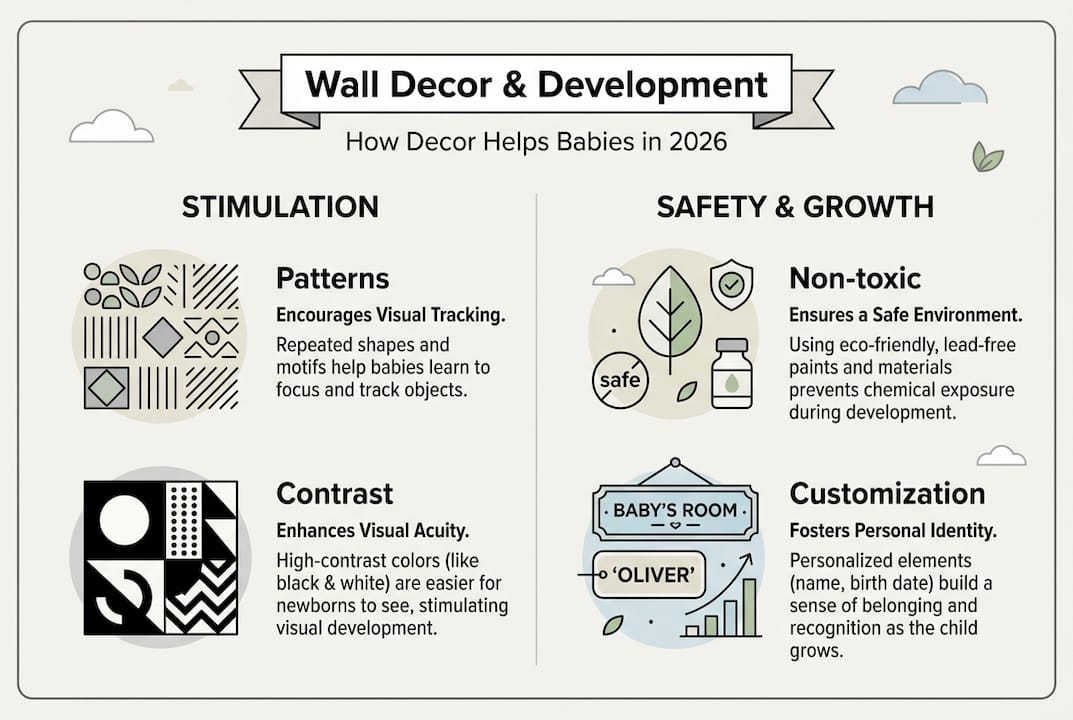
Your baby’s brain develops rapidly during the first year, and visual stimulation plays a crucial role in this growth. Infants naturally prefer high-contrast images, human faces, and simple geometric shapes that encourage visual tracking and focus. These preferences are not random. They reflect how developing visual systems process and learn from environmental input.
Research shows that natural-like patterns with higher edge orientation entropy engage babies more effectively than random or overly complex designs. Edge orientation entropy measures how varied the directional edges are in an image, similar to patterns found in nature like tree branches or water ripples. Babies look longer at images with these characteristics, suggesting their brains find this level of complexity optimal for learning without becoming overwhelmed.
Interesting patterns emerge when comparing infant and maternal preferences. Mothers often respond more to motion cues in artwork, while babies focus on static pattern complexity. This difference matters when selecting nursery decor because what appeals to you might not align with what benefits your baby’s development. Understanding this helps you make informed choices that serve both aesthetic and developmental goals.
Decorating with developmental science in mind creates opportunities for early learning during everyday moments. When your baby gazes at a custom wooden nursery sign with clear, contrasting letters, they practice the visual tracking that later supports reading readiness. Simple animal silhouettes encourage shape recognition. Faces in artwork support social-emotional development by drawing attention to the features babies instinctively seek.
Pro Tip: Rotate wall art every few months to match your baby’s developing visual abilities, introducing slightly more complex patterns as they grow.
The key is choosing decor that challenges without overwhelming. Babies benefit most from images they can almost but not quite fully process, creating what researchers call the “Goldilocks zone” of visual complexity. This sweet spot keeps their attention engaged and supports neural pathway development that forms the foundation for later learning.
Choosing safe and practical nursery wall decor
Safety must guide every nursery decor decision. Babies spend significant time in their rooms, and the materials surrounding them directly impact their health and wellbeing. Prioritizing non-toxic materials and secure mounting protects your child from preventable hazards.
Start with material selection. Choose low-VOC paints, finishes, and adhesives for all wall decor. Volatile organic compounds release harmful chemicals into the air, and babies’ developing respiratory systems are particularly vulnerable. Wood pieces should use water-based, non-toxic stains and sealants. Avoid synthetic materials that off-gas, especially plastics with strong chemical odors.
Secure mounting prevents dangerous accidents. Heavy items must anchor directly into wall studs, not just drywall. A falling frame or shelf can cause serious injury. Use appropriate hardware rated for the weight of each piece, and verify stability by gently pulling on mounted items before considering them safe.
Material choices extend beyond toxicity to breakability:
- Never hang glass or plexiglass above cribs or changing tables
- Choose canvas prints or wooden pieces for areas above furniture
- Select acrylic over glass if transparent materials are necessary
- Avoid items with small detachable parts that pose choking hazards
Proper placement enhances both safety and visual impact. Follow these spacing guidelines:
- Hang artwork 8 to 10 inches above furniture tops
- Choose pieces with widths measuring 2/3 to 3/4 the width of furniture below
- Maintain approximately 2 inches between multiple art pieces
- Keep all decor at least 3 feet from crib mattress level to prevent reaching accidents
Pro Tip: Peel and stick decals offer damage-free decorating perfect for renters or parents who want flexibility as their child’s interests evolve.
Consider longevity when selecting pieces. Wooden baby name shelves grow with your child, transitioning from nursery decor to bedroom accents. Quality wooden pieces become keepsakes rather than disposable decorations, making them worthwhile investments that maintain their appeal through multiple developmental stages.
Regularly inspect all wall decor for wear, loose mounting, or damage. What starts secure can loosen over time, especially in homes with temperature and humidity fluctuations. A monthly safety check takes minutes but prevents potential disasters.
Balancing stimulation and calm through color and design
Creating the right visual environment means finding the balance between engaging your baby’s senses and providing the calm needed for rest. Too much stimulation causes stress and sleep difficulties. Too little fails to support developmental needs. The solution lies in thoughtful color and pattern choices.
Soft pastels and muted tones create soothing backgrounds that promote relaxation and sleep. These colors provide visual interest without the intensity that can overstimulate developing nervous systems. Think sage green, dusty blue, warm beige, or soft coral rather than bright primary colors on every wall.
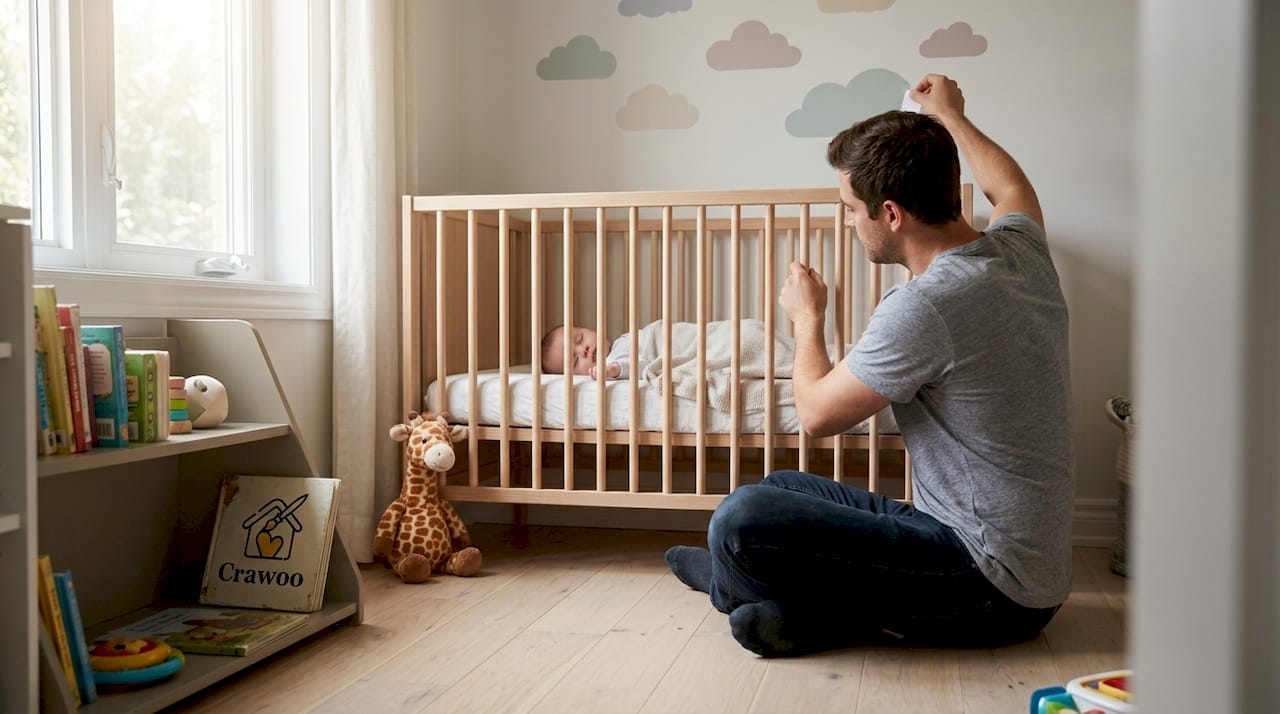
Pattern selection requires similar restraint. Simple geometric shapes, gentle curves, and nature-inspired designs offer visual interest without overwhelming complexity. Limit busy patterns to one or two accent pieces rather than covering entire walls. This approach gives babies’ eyes places to rest while still providing stimulation during awake periods.
Rotating artwork serves dual purposes. It maintains your baby’s interest as familiar pieces become less engaging, and it allows you to adjust complexity as visual processing abilities mature. What captivates a newborn may bore a six-month-old, so having a small collection to swap keeps the environment developmentally appropriate.
| Decor Element | Overstimulating Choice | Balanced Choice |
|---|---|---|
| Wall color | Bright red or electric blue | Soft sage or warm beige |
| Pattern type | Dense polka dots or busy stripes covering walls | Simple geometric accent on one wall |
| Contrast level | Harsh black and white checkerboard | Gentle gray and cream shapes |
| Number of pieces | 10+ different items competing for attention | 3 to 5 coordinated pieces with breathing room |
Texture adds another dimension to consider. Smooth wooden pieces like a wooden play sign provide tactile interest if placed where older babies can safely touch them. Varied textures support sensory development, but keep textured items away from cribs where they pose safety risks.
Pro Tip: Use custom wooden nursery signs with soft natural finishes to add warmth and personalization without creating visual chaos.
Lighting interacts with color and pattern to affect the overall environment. Natural light brings out true colors and creates gentle shadows that add visual depth. Position decor to take advantage of natural light during the day while ensuring nothing creates harsh glare or dark shadows that might startle your baby.
The goal is creating layers of visual interest that support different activities. Calmer areas near the crib promote sleep, while slightly more stimulating sections near play spaces encourage engagement during awake time. This zoning approach helps your baby’s developing brain learn environmental cues about when to be alert versus when to rest.
Incorporating customizable wooden accents into your nursery decor
Wooden wall decor offers unique advantages that make it ideal for nurseries. Personalized wooden signs combine safety, durability, and emotional significance in ways other materials cannot match. Understanding these benefits helps you make choices that serve your family for years.
Customization transforms ordinary decor into meaningful keepsakes. A custom wooden nursery sign featuring your baby’s name becomes a cherished item that transitions from nursery to childhood bedroom to eventual college dorm. This longevity makes wooden pieces worthwhile investments compared to trendy items that quickly feel dated.
Wood’s natural properties support nursery safety. Unlike plastic, quality wood does not off-gas harmful chemicals. Unlike glass, it will not shatter into dangerous shards. Wood is naturally antimicrobial when properly finished, and it withstands the inevitable bumps and touches that come with curious toddlers exploring their space.
| Material | Safety Rating | Durability | Customization Options | Maintenance Needs |
|---|---|---|---|---|
| Wood | Excellent with proper finish | High, lasts decades | Extensive engraving and painting | Low, occasional dusting |
| Plastic | Variable, check for BPA | Moderate, may crack or fade | Limited to pre-made designs | Low, wipes clean |
| Canvas | Good if properly sealed | Moderate, can tear | High for prints | Moderate, cannot get wet |
| Metal | Good but check for sharp edges | High but may rust | Moderate for custom cuts | Low, occasional polishing |
Popular wooden nursery accents include animal silhouettes, name plaques, decorative letter sets, and themed signs with words like “dream” or “play.” Wooden animal wall decor adds whimsy while maintaining the clean lines that prevent visual overwhelm. Wooden shelves serve double duty, providing both decor and functional storage for small treasures.
Pro Tip: Select smooth-finished wood with non-toxic stains to maximize both safety and the natural tactile appeal that makes wooden pieces special.
The aesthetic versatility of wood suits any nursery style. Natural wood tones complement minimalist Scandinavian designs. Painted wooden pieces work beautifully in colorful eclectic spaces. Stained wood adds warmth to modern or traditional rooms. This adaptability means your wooden decor can evolve with changing design preferences without requiring replacement.
Sourcing quality wooden nursery decor requires attention to craftsmanship. Look for smooth edges, even finishes, and secure construction. Pieces should feel substantial rather than flimsy. Quality wooden items develop a lovely patina over time, becoming more beautiful with age rather than showing wear.
Maintaining wooden decor is straightforward. Regular dusting keeps pieces looking fresh. Avoid harsh chemicals or excessive moisture. If pieces get dirty, wipe with a slightly damp cloth and dry immediately. Proper care ensures wooden nursery decor remains beautiful and safe throughout your child’s early years and beyond.
Explore customizable wooden nursery signs at Crawoo
Now that you understand how wooden decor supports both development and safety, Crawoo offers the perfect next step for bringing your nursery vision to life. Our collection features customizable options designed specifically for expecting and new parents who value quality, safety, and personalization.
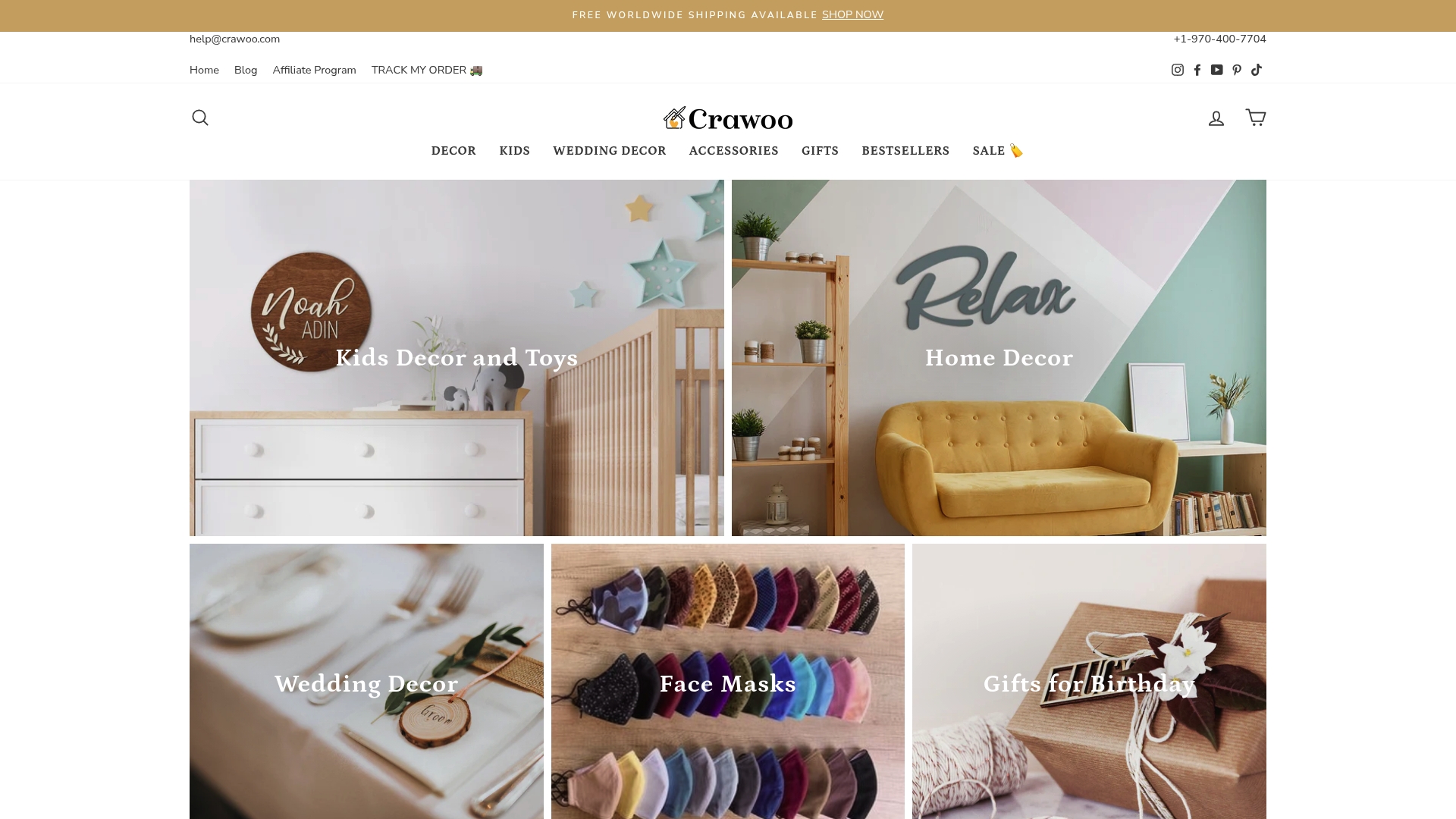
Each custom wooden nursery sign in our collection uses carefully selected materials with non-toxic finishes safe for nursery environments. You can personalize pieces with your baby’s name, birth details, or meaningful words that reflect your hopes and dreams. Our wooden sign collection includes options ranging from simple name plaques to elaborate animal themes.
What sets Crawoo apart:
- Non-toxic, baby-safe finishes on all products
- Extensive personalization options for truly unique pieces
- Durable craftsmanship designed to become family heirlooms
- Smooth edges and quality construction prioritizing safety
Browse our wooden animal wall decor to find pieces that combine developmental benefits with timeless style. Each item is crafted to meet the principles discussed in this guide, balancing visual interest with the calm your baby needs to thrive.
FAQ
What types of wall decor are best for infant visual development?
High-contrast images featuring simple shapes and human faces support early visual development most effectively. Infants’ developing vision processes bold contrasts more easily than subtle color variations, making black and white or high-contrast colored patterns ideal for newborns. As babies grow, patterns with natural-like complexity engage their attention without overwhelming their processing abilities. Simple geometric shapes like circles, triangles, and gentle curves encourage visual tracking that builds neural pathways supporting later learning.
How can I ensure nursery wall decor is safe for my baby?
Prioritize non-toxic materials with low VOC content and secure all heavy items directly into wall studs using appropriate hardware. Avoid hanging glass or plexiglass above cribs, changing tables, or any area where your baby spends time, choosing shatterproof alternatives like canvas or acrylic instead. Regularly inspect mounted items for stability, checking that nothing has loosened over time. Keep all decor with small detachable parts out of reach to prevent choking hazards.
Why choose wooden accents for nursery walls?
Wood offers exceptional durability and safety compared to alternatives like plastic or glass. Quality wooden pieces do not off-gas harmful chemicals when finished with non-toxic stains and sealants, making them ideal for nursery environments where air quality matters. Personalizable wooden signs add unique charm while creating heirloom-quality items that grow with your child from nursery to bedroom and beyond. The natural warmth and texture of wood create visual interest without the harsh contrasts or chemical concerns associated with synthetic materials.
How often should I change or rotate nursery wall decor?
Rotate artwork every two to three months to match your baby’s developing visual abilities and maintain engagement. Newborns benefit from simple, high-contrast pieces, while six-month-olds can appreciate slightly more complex patterns and colors. Changing decor seasonally also allows you to introduce new themes and learning opportunities as your child grows. Keep a small collection of age-appropriate pieces to swap in and out, ensuring the nursery environment continues supporting development without requiring constant purchases.
Can nursery wall decor be both stimulating and calming?
Absolutely, through thoughtful placement and design choices that create different zones within the room. Use calming colors and simple patterns near the crib and sleeping areas to promote rest, while incorporating slightly more engaging pieces near play spaces or changing tables. Limit the total number of items to three to five coordinated pieces with adequate spacing, preventing visual overwhelm while still providing developmental benefits. This zoning approach helps your baby learn environmental cues about when to be alert versus when to relax.
What personalization options work best for wooden nursery signs?
Names remain the most popular and timeless personalization choice, creating pieces your child will cherish for years. Birth details like date, time, weight, and length transform signs into meaningful keepsakes documenting your baby’s arrival. Meaningful words or short phrases reflecting your values or hopes, such as “dream big” or “be brave,” add inspirational touches that grow with your child. Consider a custom wooden nursery sign combining your baby’s name with a favorite animal or nature theme for maximum personal significance and visual appeal.
Recommended
Subscribe to Our Newsletter
Leave a comment