


Many new parents assume wood decor in nurseries needs little upkeep, but improper care can lead to warping, toxic chemical exposure, and safety hazards. Wood is a living material that reacts to its environment, and nurseries present unique challenges with humidity fluctuations, frequent cleaning, and the need for child-safe finishes. This guide provides clear, practical strategies to maintain wood decor safely and effectively, ensuring your nursery remains beautiful and hazard-free for years. You will learn how to control humidity, choose non-toxic finishes, select durable wood species, and establish simple cleaning routines that protect both your investment and your child.
Table of Contents
- Key takeaways
- Understanding humidity’s role in wood decor maintenance
- Choosing and maintaining safe finishes for nursery wood decor
- Wood species and moisture content: selecting durable nursery decor
- Routine cleaning and upkeep for lasting nursery wood decor
- Explore safe and stylish wood decor for your nursery
- Frequently asked questions
Key Takeaways
| Point | Details |
|---|---|
| Humidity control | Maintain indoor humidity in the nursery between 35 and 60 percent to prevent wood swelling, warping, and cracking. |
| Hygrometers around nursery | Place inexpensive hygrometers in multiple spots to monitor humidity and catch problematic swings before damage occurs. |
| Safe finishes | Choose non-toxic, low or zero VOC water based finishes, plant oils, or beeswax for nursery wood decor. |
| Hardwoods with moisture control | Select durable hardwoods with appropriate moisture content to withstand nursery conditions. |
Understanding humidity’s role in wood decor maintenance
Wood absorbs and releases moisture constantly, expanding when humid and contracting when dry. In nurseries, this natural process can create serious problems if you ignore it. Maintaining indoor humidity at 35-60% prevents wood from swelling, warping, or cracking, all of which compromise both appearance and safety. When humidity drops below 35%, wood dries out and splits, creating sharp edges and splinters. When it rises above 60%, wood swells and warps, potentially causing joints to fail or surfaces to become uneven.
You need a hygrometer to monitor humidity levels accurately. These inexpensive devices show real-time readings so you can catch problems before they damage your wood decor. Place hygrometers in multiple spots around the nursery, especially near wood furniture and wall decor, since humidity can vary significantly across a single room. Digital models with memory functions help you track patterns over days and weeks, revealing problem times when humidity spikes or drops.
Humidifiers add moisture during dry winter months when heating systems strip humidity from indoor air. Dehumidifiers remove excess moisture in summer or in naturally humid climates. Both tools help you maintain that critical 35-60% range consistently. Run humidifiers when readings drop below 40% and dehumidifiers when they climb above 55%, giving yourself a buffer zone to prevent extreme swings.
Fluctuations cause more damage than steady conditions at either end of the acceptable range. Rapid changes force wood to expand and contract repeatedly, accelerating wear and increasing the likelihood of structural failure. This is why you should avoid placing wood decor near heating vents, air conditioning units, or windows where temperature and humidity shift dramatically throughout the day. Even stylish nursery wood decor positioned poorly can deteriorate quickly under these conditions.
Pro Tip: Create a simple log noting humidity readings once weekly. After a few months, you will identify patterns and know exactly when to adjust humidifiers or dehumidifiers, making maintenance nearly automatic.
Consistent humidity control is the single most effective way to extend the life of wood decor in nurseries, preventing 80% of common wood damage issues before they start.
Choosing and maintaining safe finishes for nursery wood decor
Finishes protect wood surfaces while determining how safe they are for children who touch, mouth, and interact with decor daily. Non-toxic, low or zero-VOC water-based finishes, plant oils, or beeswax should be your only options for nursery wood decor. VOCs are volatile organic compounds that off-gas into the air, potentially causing respiratory irritation, headaches, and long-term health effects in developing children. Standard wood finishes can emit VOCs for months after application, making them unsuitable for nurseries.
Greenguard Gold certification guarantees that finishes meet strict chemical emission standards specifically designed for environments with children and sensitive individuals. This third-party verification removes guesswork and ensures the products you choose have been rigorously tested. Food-safe certifications also indicate finishes safe enough for surfaces that contact mouths, an important consideration for wood decor that curious toddlers might chew or lick.
Plant-based oils like tung oil and linseed oil penetrate wood fibers, nourishing them from within while creating a subtle, natural appearance. These oils are completely non-toxic once cured and provide excellent moisture resistance. Tung oil dries harder and more water-resistant than linseed oil, making it ideal for surfaces that get wiped down frequently. Linseed oil takes longer to cure but offers a warmer, amber tone that enhances wood grain beautifully.
Beeswax creates a soft, natural sheen while providing a waterproof barrier that protects against spills and moisture. You can apply it over plant oils for added protection, or use it alone on raw wood for a minimalist finish. Beeswax requires more frequent reapplication than oils but buffs to a beautiful luster with just a soft cloth, making touch-ups simple and quick.
Avoid vinegar-based cleaners on waxed or oiled finishes common in baby-safe wood decor, as the acidity dulls and degrades these protective layers over time. Vinegar strips oils and waxes, leaving wood vulnerable to moisture damage and requiring you to refinish surfaces prematurely. Even diluted vinegar solutions cause cumulative damage with repeated use.
Mild soap and water preserve finish integrity while cleaning effectively. Mix a few drops of gentle, fragrance-free dish soap in warm water, dampen a soft cloth, wring it nearly dry, and wipe surfaces gently. This method removes dirt, milk residue, and other common nursery messes without compromising protective finishes. Dry surfaces immediately with a clean cloth to prevent water spots and moisture absorption.
Pro Tip: Test any new cleaner on a hidden area like the back of a shelf or underside of a sign. Wait 24 hours to check for discoloration, dulling, or texture changes before using it on visible surfaces. This simple step prevents irreversible damage to cherished decor.
Explore safe natural wood finishes that combine beauty with child safety, giving you peace of mind while maintaining stunning nursery aesthetics.
Wood species and moisture content: selecting durable nursery decor
Not all wood performs equally in nursery environments. Wood with 6-8% moisture content has reached equilibrium with typical indoor conditions, meaning it will not shrink, swell, or warp significantly once installed. Wood kiln-dried to this level remains dimensionally stable, maintaining its shape and structural integrity through normal humidity variations. Purchasing wood decor from manufacturers who specify and guarantee proper moisture content eliminates a major source of future problems.
Hardwoods like oak, maple, cherry, and walnut offer superior durability and wear resistance compared to softwoods. Their dense grain structure resists dents, scratches, and the kind of abuse that comes naturally in nurseries where toys get thrown and furniture gets bumped. Hardwoods also splinter less readily, an important safety consideration for decor within reach of curious toddlers. The tighter grain of hardwoods holds finishes better, meaning protective oils and waxes penetrate more evenly and last longer between applications.
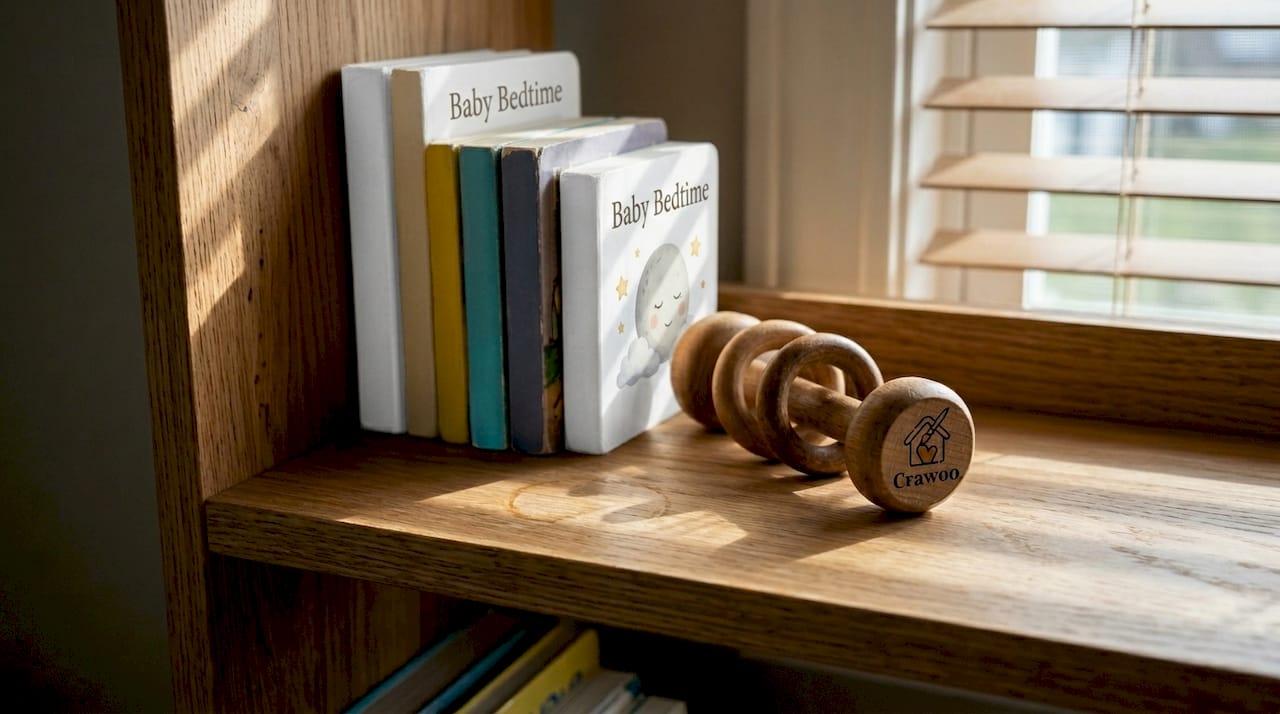
Softwoods like pine, cedar, and fir cost less and offer a lighter, more casual aesthetic that some parents prefer. However, they dent and scratch more easily, requiring more frequent maintenance and refinishing. Softwoods can work beautifully in nurseries if you apply durable finishes and accept that they will show wear more visibly over time. Their lighter weight makes them ideal for wall-mounted decor where you want to minimize stress on hanging hardware.
| Wood type | Durability | Maintenance needs | Best nursery uses |
|---|---|---|---|
| Hardwoods (oak, maple, walnut) | High resistance to dents and scratches | Oil or wax twice yearly | Furniture, shelving, high-touch items |
| Softwoods (pine, cedar, fir) | Moderate, shows wear more readily | Oil or wax 3-4 times yearly | Wall art, signs, decorative accents |
Choosing appropriate wood species reduces long-term maintenance while improving safety. Hardwoods naturally resist splintering even as they age, whereas softwoods may develop rough spots or sharp edges that require sanding and refinishing. This difference becomes significant as children grow more mobile and interact directly with furniture and decor.
Monitor your wood decor for these signs of moisture imbalance or deterioration:
- Visible cracks or splits in the wood surface
- Warping or bowing that creates gaps in joints
- Rough texture or raised grain that feels fuzzy
- Loose joints or hardware that once fit tightly
- Color changes or dark spots indicating moisture absorption
- Musty odor suggesting mold or mildew growth
Catching these issues early allows you to address them before they compromise safety or require expensive repairs. Learn more about quality wood craftsmanship for nurseries and how proper construction techniques enhance longevity.
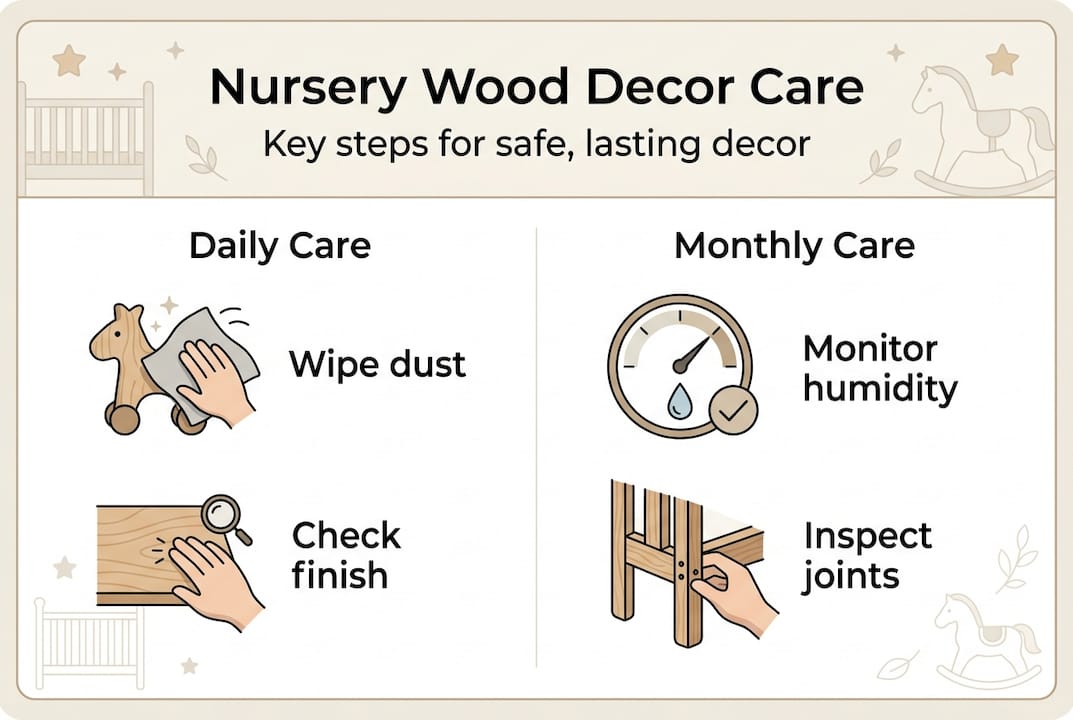
Routine cleaning and upkeep for lasting nursery wood decor
Establishing simple, consistent cleaning habits preserves wood decor far more effectively than occasional deep cleaning. Harsh or acidic cleaners damage protective finishes, forcing you into costly refinishing cycles. Vinegar cleaning remains controversial, with many experts recommending pH-neutral alternatives for sealed wood to prevent dulling finishes. The acetic acid in vinegar etches wax and oil finishes, creating a cloudy appearance that cannot be buffed away without stripping and reapplying the protective layer.
Mild soap diluted in water provides safe, effective cleaning for all wood finishes common in nurseries. This gentle approach removes dirt, fingerprints, and spills without compromising the protective barrier you have worked to maintain. Here is a step-by-step process for routine cleaning:
- Mix 3-4 drops of fragrance-free dish soap in a bowl of warm water
- Dip a soft microfiber cloth into the solution and wring it until barely damp
- Wipe wood surfaces gently in the direction of the grain
- Immediately dry with a clean, soft cloth to prevent water spots
- Buff gently to restore the natural luster of the finish
This process takes just minutes but prevents buildup that attracts more dirt and makes future cleaning harder. Clean high-touch items like crib rails and shelf edges weekly, and decorative wall pieces monthly or as needed.
Maintenance extends beyond cleaning to include regular conditioning that replenishes protective finishes:
- Apply plant oils or beeswax to high-touch items every six months
- Treat less-used decorative pieces annually to maintain finish
- Sand lightly with 220-grit sandpaper if surfaces become rough, then reapply finish
- Tighten any loose hardware or joints as soon as you notice movement
- Rotate decorative items periodically to ensure even light exposure and wear
Pro Tip: Schedule finish maintenance during seasonal changes, spring and fall, when you are already adjusting humidity control equipment. This routine ensures you never forget and makes the task feel like a natural part of nursery care.
Test any new cleaning product on an inconspicuous spot before using it on visible surfaces. Apply a small amount to the back of a shelf or underside of a piece, wait 24 hours, and check for any discoloration, texture changes, or finish degradation. This precaution takes seconds but prevents heartbreaking damage to irreplaceable items.
Discover more tips for maintaining safe wooden nursery accessories that combine beauty with practical durability.
Explore safe and stylish wood decor for your nursery
Now that you understand how to maintain wood decor properly, you can confidently select pieces that will last through your child’s early years and beyond. We offer a curated range of safe, non-toxic wood decor products specifically designed for nurseries, each crafted with proper moisture content and finished with child-safe materials. Our unique wood wall art combines beautiful design with the durability you need in active nursery environments.

Browse our complete wooden signs collection to find pieces that match your nursery style while meeting the safety and maintenance standards covered in this guide. Each item is designed for easy care using the techniques you have learned here. For truly personalized nursery decor, explore our custom wooden name signs that become cherished keepsakes as your child grows.
Frequently asked questions
How often should I check the humidity level in my nursery?
Check humidity weekly with a hygrometer to catch fluctuations before they damage wood decor. Weekly monitoring lets you identify patterns and adjust humidifiers or dehumidifiers proactively. During seasonal transitions when heating or cooling systems change, check every few days until conditions stabilize. Maintaining 35-60% relative humidity consistently prevents the majority of wood damage issues.
Can I use vinegar to clean my baby’s wooden decor safely?
Avoid vinegar as it can dull and damage the oil and wax finishes commonly used on baby-safe wood decor. The acetic acid etches protective layers, requiring you to strip and refinish surfaces prematurely. Use mild pH-neutral soap diluted in water for routine cleaning instead. This gentle approach cleans effectively while preserving the finishes that protect wood and ensure child safety.
What type of wood is best for nursery furniture and decor?
Hardwoods like oak and maple offer superior durability and safety for nursery use compared to softwoods. Their dense grain resists dents, scratches, and splintering better than pine or cedar. Ensure any wood decor has moisture content between 6-8% for dimensional stability. Properly dried hardwoods maintain their shape through normal humidity variations and require less frequent maintenance than softwoods.
How often should I oil or wax wood decor in a nursery?
Oil or wax high-use items like crib rails and frequently touched shelves twice yearly for optimal protection. Less-used decorative wall pieces can be treated once annually to maintain their finish. Apply conditioning treatments during spring and fall when you adjust seasonal humidity control equipment. This schedule ensures finishes remain intact and continue protecting wood from moisture damage and wear.
Recommended
Subscribe to Our Newsletter
Leave a comment