


Creating a nursery that reflects your baby’s unique personality can be challenging when faced with generic store options. Personalized wooden decor offers a safe, charming solution that transforms ordinary spaces into meaningful environments. This guide walks you through DIY methods and professional techniques to help you craft beautiful, one-of-a-kind wooden pieces that add warmth and character to your baby’s first room.
Table of Contents
- Gathering Materials And Tools For Personalized Wooden Baby Decor
- Step-By-Step Guide To Personalizing Wooden Nursery Decor
- Advanced Customization Techniques: Laser Engraving And Cnc Routing
- Finishing Touches And Decorating Ideas For A Charming Baby Nursery
- Explore Personalized Wooden Nursery Decor At Crawoo
- Frequently Asked Questions
Key takeaways
| Point | Details |
|---|---|
| DIY wooden name blocks offer significant cost savings | Creating wooden name blocks yourself proves economical, especially for longer names requiring multiple letters. |
| Safety starts with material selection | Using toy-safe paint prevents exposure to harmful chemicals in baby environments. |
| Advanced techniques deliver professional results | Laser engraving and CNC routing create detailed, durable customizations that standard painting cannot achieve. |
| Wood type directly affects engraving quality | Hardwoods like Maple and Cherry produce superior contrast and detail compared to resin-heavy softwoods. |
| Proper finishing ensures longevity | Thorough sanding and sealing protect wooden decor from wear while maintaining safety standards for nurseries. |
Gathering materials and tools for personalized wooden baby decor
Before starting your personalization project, assembling the right materials ensures both safety and quality. You need wooden blocks or letters as your base, toy-safe paints certified for children’s products, quality brushes in various sizes, fine-grit sandpaper (180-220 grit), and decorative stickers designed for wood surfaces.
Safety considerations should drive every material choice. Select paints and finishes explicitly labeled as non-toxic and suitable for toys, avoiding anything with volatile organic compounds or lead content. Wooden blocks must be smooth and splinter-free, preferably made from sustainable sources. Natural wood options like basswood, maple, or birch work beautifully and accept paint readily.
| Item | DIY Cost | Pre-Made Cost | Savings |
|---|---|---|---|
| 4-letter name | $8-12 | $35-45 | $23-37 |
| 6-letter name | $12-18 | $55-70 | $37-58 |
| 8-letter name | $16-24 | $75-95 | $51-79 |
Sanding preparation makes the difference between amateur and professional-looking results. Use fine-grit sandpaper to smooth all surfaces and edges, removing any rough spots that could splinter or prevent paint adhesion. This step creates the perfect canvas for whatever personalization technique you choose, from simple painting to intricate designs.
Pro Tip: When selecting decorative stickers, avoid glitter varieties that leave residue impossible to clean from painted surfaces. Opt for vinyl or paper stickers with strong adhesive that can withstand gentle cleaning.
Proper workspace setup protects your materials and results. Cover your work area with newspaper or drop cloth, ensure good ventilation when painting, and keep supplies organized for efficient workflow. The wooden name plaque diy process nursery offers additional preparation insights.
Step-by-step guide to personalizing wooden nursery decor
Transforming plain wooden pieces into personalized treasures follows a systematic approach that guarantees beautiful results. Each step builds upon the previous one, creating layers of customization that make your decor truly unique.
-
Sand thoroughly for optimal adhesion. Start with medium-grit sandpaper (120-150 grit) to remove any factory finish, then progress to fine-grit (180-220 grit) for smoothness. Wipe away all dust with a slightly damp cloth and let dry completely before proceeding.
-
Apply base color strategically. Choose toy-safe acrylic paints in colors that complement your nursery theme. Apply thin, even coats rather than one thick layer, allowing 2-3 hours drying time between coats. Two to three thin layers provide better coverage and durability than single thick applications.
-
Add decorative elements with precision. Various decoration techniques including painting patterns, applying stickers, or using scrapbook paper with Mod Podge create visual interest. Position decorative elements while the base is fully dry, pressing firmly to eliminate air bubbles.
-
Seal for protection and longevity. Apply a non-toxic clear topcoat designed for children’s furniture to protect your work from moisture, handling, and regular cleaning. Water-based polyurethane or beeswax finishes provide excellent protection while maintaining safety standards.
-
Cure properly before installation. Allow personalized pieces to cure for 24-48 hours in a well-ventilated area before placing them in the nursery. This ensures all solvents evaporate completely and finishes harden fully.
Pro Tip: Plan your letter placement strategy before starting. Wall-mounted letters need lightweight materials like basswood, while shelf displays can use heavier hardwoods or even decorated cardboard for budget-friendly options.
Timing your project correctly prevents frustration. Most personalization projects require 2-3 days from start to finish when accounting for drying time between steps. Rushing the process compromises quality and safety, so build adequate time into your nursery preparation schedule. Browse custom wooden nursery sign options for professional alternatives if time constraints challenge your DIY plans.
Advanced customization techniques: laser engraving and CNC routing
Professional personalization methods deliver precision and durability that manual techniques cannot match. Understanding these advanced options helps you decide whether to invest in equipment or commission custom work.
Laser engraving uses focused laser beams to vaporize wood, creating designs with remarkable depth and contrast. The process carbonizes the wood surface, darkening it to produce crisp text, intricate patterns, and detailed images. Different laser types suit different projects: CO2 lasers excel at wood engraving, while fiber lasers work better for metals.
CNC routing creates custom signage by physically cutting into wood with rotating bits, offering dimensional depth impossible with lasers. This subtractive manufacturing process follows digital designs to carve raised letters, recessed backgrounds, and complex three-dimensional shapes. Router bits come in various profiles, creating different edge effects and detail levels.
| Feature | Laser Engraving | CNC Routing |
|---|---|---|
| Detail level | Extremely fine lines, intricate patterns | Bold, dimensional shapes |
| Speed | Fast for surface designs | Slower but creates depth |
| Wood waste | Minimal (vaporization) | Produces sawdust and chips |
| Finish quality | Smooth, darkened surface | Requires sanding and finishing |
| Best for | Names, quotes, detailed artwork | 3D letters, textured signs |
Wood selection significantly impacts results because different species respond uniquely to heat and cutting. Hardwoods like maple, cherry, and walnut produce excellent contrast when engraved, with darker burning creating sharp definition against lighter wood. Softwoods like pine contain resins that can produce inconsistent results and unpleasant fumes during laser work.

Basswood stands out as the ideal choice for detailed engraving because its fine, even grain and light color create maximum contrast. Alder and birch also perform excellently, offering good detail without excessive grain patterns that might compete with your design. Avoid cedar and other aromatic woods that release oils and strong odors when heated.
Pro Tip: When preparing designs for CNC routing, use vector files with clean, simple geometry. Complex curves and tiny details require smaller bits and slower cutting speeds, significantly increasing production time and cost.
Safety advantages make laser engraving particularly attractive for nursery projects. The process produces no physical contact with the wood, eliminating splinters and rough edges. Modern laser systems include fume extraction that removes carbonized particles, though proper ventilation remains essential. Environmental benefits include minimal waste and no chemical finishes required, as the carbonized surface itself creates the design. Explore create wooden sign services for professionally crafted pieces.
Finishing touches and decorating ideas for a charming baby nursery
Final finishing steps transform good projects into exceptional nursery pieces that last through childhood. These details ensure safety, enhance aesthetics, and maximize the emotional impact of your personalized wooden decor.
Proper finishing techniques protect both the wood and your baby. Sand all edges after painting or engraving to eliminate any sharp corners or rough spots. Apply food-safe mineral oil to natural wood finishes, or use water-based polyurethane over painted surfaces for washable protection. Inspect each piece carefully under good lighting, running your hand over all surfaces to catch any imperfections before installation.
Coordinating your wooden pieces with the overall nursery theme creates visual harmony that feels intentional rather than random. Match wood tones to your furniture, or create contrast by choosing lighter woods for darker furniture and vice versa. Paint colors should complement your wall color and bedding, creating a cohesive palette throughout the space.
- Position wall-mounted name signs above the crib or changing table at eye level for maximum impact
- Arrange wooden letter blocks on floating shelves, mixing them with small plants or stuffed animals
- Create a gallery wall combining your wooden pieces with framed prints and photographs
- Use wooden growth charts that serve both decorative and functional purposes
- Install wooden hooks shaped like animals or letters for hanging small items
Personalized spaces foster identity development and comfort for children, making the effort invested in customization valuable beyond mere aesthetics. Seeing their name or favorite motifs helps babies develop spatial recognition and later reinforces literacy skills as they begin recognizing letters.
Maintenance ensures your personalized wooden decor remains beautiful and safe throughout your child’s early years. Dust weekly with a soft, dry cloth to prevent buildup that dulls finishes. Clean painted surfaces monthly with a barely damp cloth, avoiding excess moisture that could damage paint or wood. Inspect pieces quarterly for any signs of wear, loose parts, or finish deterioration that might require touch-ups.
Regular safety checks become especially important as babies grow into toddlers who can reach and interact with decor. Ensure wall-mounted pieces remain securely fastened, with no risk of falling. Verify that shelf items stay stable and cannot be easily pulled down. As your child develops, adjust placement to keep decorative items safely out of reach while maintaining their visual impact. Browse personalized wooden nursery decor examples picks for ongoing inspiration.
Explore personalized wooden nursery decor at Crawoo
Creating personalized wooden nursery decor yourself brings satisfaction, but professional craftsmanship offers unmatched quality and convenience. Crawoo specializes in exquisite wooden name signs for nursery spaces, combining safety-certified finishes with expert design that transforms ordinary rooms into extraordinary environments.
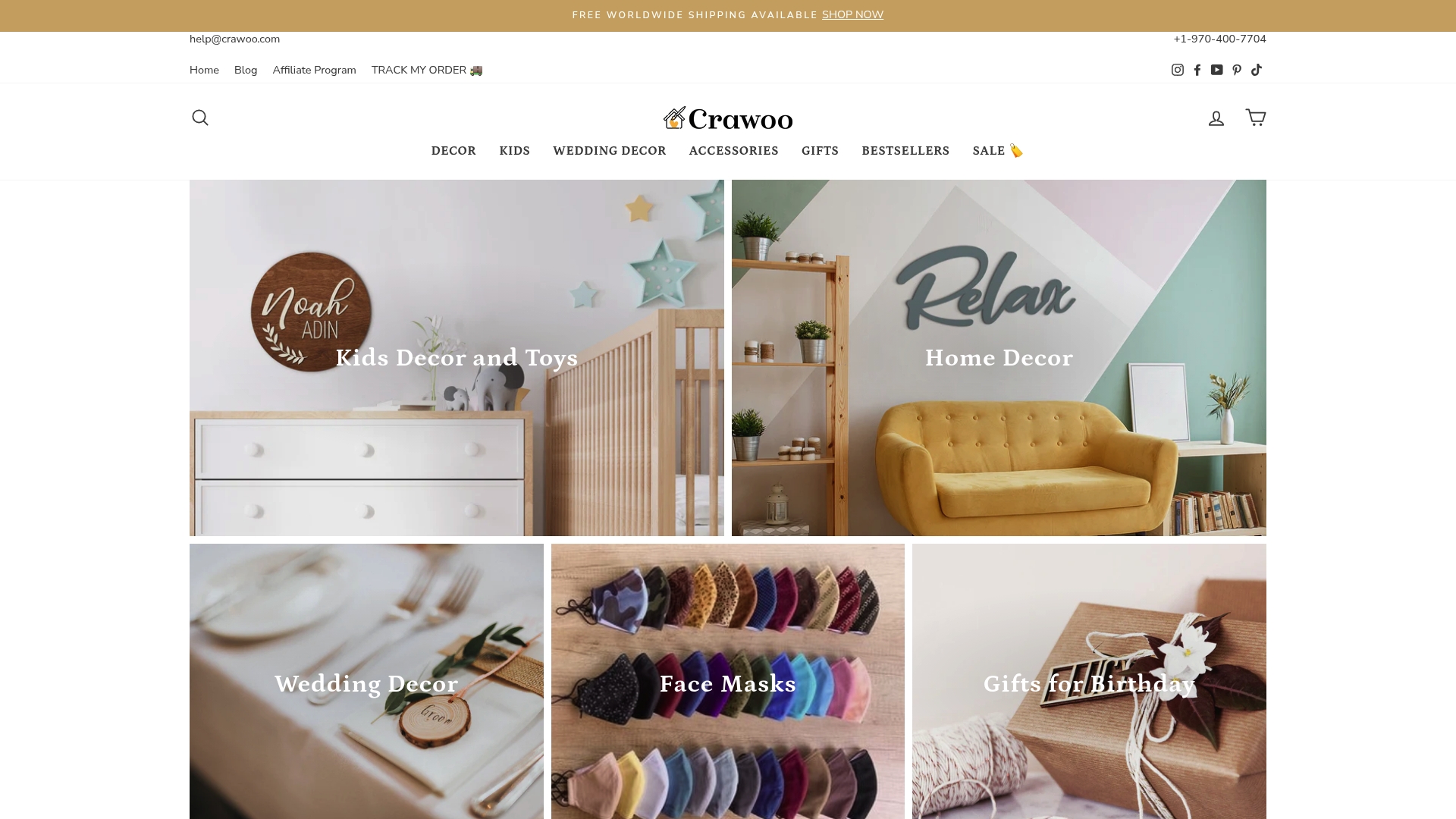
Every Crawoo product features carefully selected woods, precision craftsmanship, and non-toxic finishes that meet stringent safety standards for baby spaces. Browse custom wooden nursery sign options to discover designs matching any theme, from whimsical woodland creatures to elegant minimalist styles.
Custom orders bring your unique vision to life without requiring DIY skills or specialized equipment. Whether you envision a specific color combination, particular wood type, or distinctive design element, Crawoo’s artisans translate your ideas into beautiful reality. Wooden babys names on shelves offer another delightful option for displaying your child’s name with artistic flair.
Frequently asked questions
What is the safest paint to use on wooden nursery decor?
Use high-quality, toy-safe, non-toxic paints certified specifically for children’s products. These formulations contain no lead, volatile organic compounds, or other harmful chemicals that could affect your baby’s health. Water-based acrylic paints labeled as toy-safe offer excellent coverage, durability, and washability perfect for nursery environments.
Can I use laser engraving techniques safely for baby decor?
Laser engraving creates a carbonized surface layer that remains completely safe when proper wood types and sealing methods are employed. Professional engraving services use controlled processes producing non-toxic finishes suitable for baby spaces. The carbonization process itself adds no chemicals, and a simple food-safe finish provides additional protection and easy cleaning.
What wood types are best for durable and attractive nursery decor?
Preferred woods include alder, cherry, birch, maple, and basswood because they provide excellent contrast and accept fine detail beautifully. Avoid woods high in resin or oils like cedar or pine for engraving, as these produce inconsistent results and potentially unpleasant fumes. Softwoods work well for painted signs, while hardwoods create stunning stained or natural finishes.
How long does DIY personalization typically take from start to finish?
Most personalization projects require 2-3 days total time, primarily due to drying periods between painting coats and final curing before installation. Active work time ranges from 2-4 hours depending on design complexity. Plan your project timeline to include adequate drying time, as rushing compromises both appearance and safety of the finished piece.
Should I choose wall-mounted or freestanding wooden nursery decor?
This decision depends on your nursery layout, personal preference, and future flexibility needs. Wall-mounted pieces create focal points and save shelf space, working beautifully above cribs or changing tables. Freestanding options on shelves or dressers offer easy repositioning as your child grows and room needs change, plus eliminate installation concerns in rental properties.
Recommended
Subscribe to Our Newsletter
Leave a comment