


Transforming your baby’s nursery into a personalized haven starts with thoughtful decor choices. Custom wooden wall letters offer a unique way to add warmth and character while celebrating your child’s identity. Whether you’re drawn to whimsical animal themes or elegant minimalist designs, selecting the perfect letters can feel overwhelming with endless options available. This guide walks you through proven selection criteria, showcases inspiring examples, and helps you make confident decisions that blend safety, style, and personalization for a nursery space your family will cherish.
Table of Contents
- How To Choose The Right Custom Wall Letters For Your Nursery
- Top 5 Custom Wall Letter Examples To Personalize Your Child’s Space
- Comparing Styles And Materials Of Custom Wall Letters
- Creative Ways To Display Custom Wall Letters In Nurseries
- Explore Custom Wooden Wall Letters And Nursery Decor At Crawoo
- FAQ
Key takeaways
| Point | Details |
|---|---|
| Material matters | Wooden letters provide durability and natural warmth ideal for nursery environments |
| Safety first | Choose smooth edges and non-toxic finishes to protect curious little hands |
| Theme coordination | Match letter styles with existing decor colors and motifs for cohesive visual impact |
| Personalization power | Custom names or initials create emotional connections and unique focal points |
| Display creativity | Combine letters with shelving, lighting, and themed elements for maximum charm |
How to choose the right custom wall letters for your nursery
Selecting the perfect custom wall letters requires balancing aesthetic appeal with practical considerations. Material choice fundamentally shapes both appearance and longevity. Wood delivers timeless beauty and sturdy construction, while MDF offers budget-friendly versatility with smooth surfaces perfect for painted finishes. Acrylic provides modern flair with lightweight properties, though it may lack the organic warmth many parents seek for nursery spaces.
Size calculations deserve careful attention. Letters measuring 8 to 12 inches typically provide ideal visibility without overwhelming smaller walls. Measure your available wall space and consider surrounding decor elements. Oversized letters risk dominating the room, while tiny ones disappear against busy wallpaper or large furniture pieces. A balanced approach ensures letters become focal points without fighting for attention.
Safety considerations cannot be compromised in children’s spaces. Examine edges carefully, ensuring they’re sanded smooth without sharp corners that could harm exploring toddlers. Verify that finishes use non-toxic, child-safe paints or sealants. Mounting hardware should include secure wall anchors rated for the letter weight, positioned high enough to prevent grabbing but low enough to remain visually engaging.
Color and font selections should complement your existing nursery palette and theme. Selecting letters that harmonize with nursery colors and themes enhances room cohesion. Soft pastels work beautifully in traditional nurseries, while bold primary colors energize playful spaces. Font choices range from whimsical script to clean block letters, each conveying different moods.
Key material considerations:
- Solid wood offers premium durability and natural grain patterns
- MDF provides smooth surfaces ideal for intricate painted designs
- Bamboo delivers eco-friendly strength with distinctive texture
- Birch plywood combines lightweight construction with structural integrity
Personalization options extend beyond simple names. Consider incorporating meaningful words like “dream,” “love,” or “adventure” that reflect your hopes for your child. Initials paired with birth dates create timeless keepsakes. Some parents choose full names for older children while opting for nicknames in nurseries, allowing flexibility as personalities develop.
Pro Tip: Order a sample letter if available to assess finish quality, weight, and color accuracy before committing to a full name set.
Top 5 custom wall letter examples to personalize your child’s space
Exploring popular styles helps crystallize your vision and sparks creative combinations. Each example offers distinct character while maintaining the warmth and personalization that makes wooden letters special.
1. Oversized initial with full name: Pairing a large decorative first initial (12 to 15 inches) with smaller letters spelling the complete name creates dramatic visual hierarchy. The oversized letter anchors the display while smaller letters provide context. This approach works exceptionally well above cribs or changing tables, drawing eyes upward and making the child’s name a proud declaration.
2. Themed woodland letters: Personalized wooden letters with woodland animal motifs add charming thematic touches. Picture letters adorned with foxes, owls, or deer that coordinate with forest-themed bedding and wall art. These designs transform simple letters into storytelling elements that grow with your child’s imagination. The natural wood tones complement earthy color palettes while painted accents add playful pops.
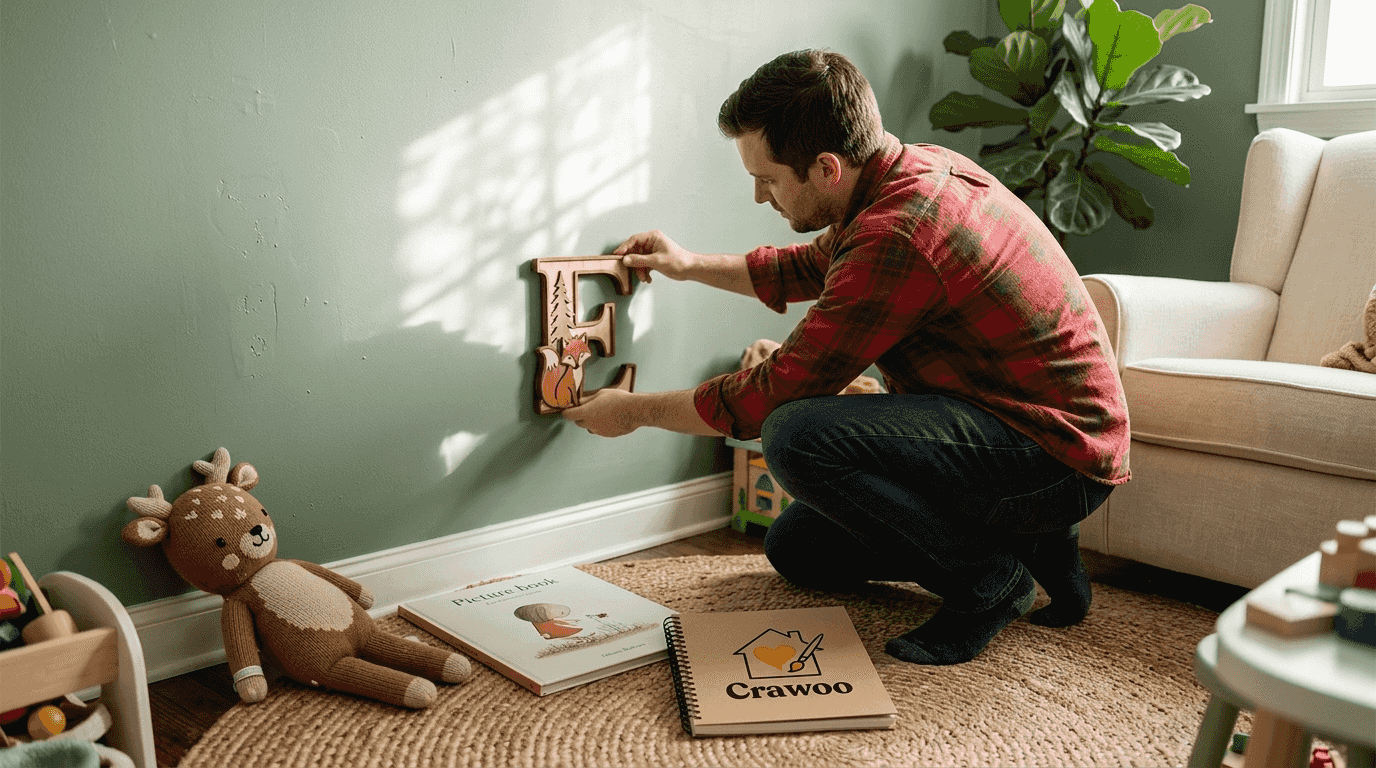
3. Round name signs: Moving beyond traditional individual letters, circular or oval signs featuring the child’s full name offer streamlined elegance. These unified pieces simplify installation while providing clean, modern aesthetics. Many designs incorporate decorative borders, floral elements, or celestial motifs that frame the name beautifully. Round signs work particularly well in smaller nurseries where wall space is precious.
4. Shelf word displays: Functional meets decorative when letters rest on floating shelves alongside books, toys, or plants. This approach allows easy rearrangement as your child grows and interests evolve. Shelf displays create dimensional interest, casting subtle shadows that add depth. Consider words like “read,” “play,” or “grow” that encourage positive associations.
5. Mixed font combinations: Blending script and block fonts within a single name creates sophisticated visual texture. Alternate between cursive and print letters, or mix uppercase with lowercase for playful contrast. This technique adds artistic flair while maintaining readability. Coordinate colors across fonts to unify the look, or embrace bold contrasts for energetic spaces.
| Style | Best For | Visual Impact | Installation |
|---|---|---|---|
| Oversized initial | Statement walls | High drama | Multiple anchors |
| Themed woodland | Nature nurseries | Whimsical charm | Individual mounting |
| Round name signs | Small spaces | Clean elegance | Single point |
| Shelf displays | Flexible decor | Dimensional depth | Shelf required |
| Mixed fonts | Artistic rooms | Sophisticated texture | Precise spacing |
Pro Tip: Photograph your wall space and use editing apps to digitally place letter styles before purchasing, ensuring scale and spacing work perfectly.
Comparing styles and materials of custom wall letters
Understanding material and style trade-offs empowers informed decisions that balance budget, aesthetics, and practical needs. Each option carries distinct advantages depending on your priorities and nursery environment.
Wooden letters offer durability and natural aesthetic preferred for nurseries. Solid wood withstands years of use, maintaining beauty as children grow from infants to school age. The natural grain patterns ensure each letter is unique, adding organic character impossible to replicate with synthetic materials. However, solid wood typically commands premium pricing and requires more careful moisture management in humid climates.
MDF (medium-density fiberboard) presents budget-conscious alternatives without sacrificing visual appeal. Its smooth, uniform surface accepts paint flawlessly, enabling intricate designs and vibrant colors. MDF weighs less than solid wood, simplifying installation on drywall. The trade-off involves reduced durability; MDF can chip or dent more easily and doesn’t handle moisture well. For nurseries with stable conditions, MDF delivers excellent value.
Acrylic letters bring contemporary flair with glossy finishes and bold colors. Their lightweight nature makes installation effortless, often using simple adhesive strips. Acrylic resists moisture and cleans easily, practical advantages in spaces prone to spills. Yet some parents find acrylic lacks the warmth and tactile appeal of natural materials, feeling too sterile for cozy nursery environments.
Finish choices dramatically impact maintenance and longevity. Natural wood finishes showcase grain beauty while requiring periodic conditioning to prevent drying. Painted finishes offer unlimited color options and easier cleaning but may show wear over time, especially on edges. Sealed finishes provide protective barriers against moisture and stains, essential for long-term preservation.
Material comparison highlights:
- Solid wood: Premium durability, natural beauty, higher cost, heavier weight
- MDF: Budget-friendly, smooth finish, lighter weight, less moisture resistant
- Bamboo: Eco-conscious, distinctive grain, moderate cost, excellent strength
- Acrylic: Modern aesthetic, easy cleaning, minimal warmth, lightweight
| Material | Durability | Cost | Weight | Maintenance |
|---|---|---|---|---|
| Solid wood | Excellent | High | Heavy | Periodic conditioning |
| MDF | Good | Low | Light | Gentle cleaning |
| Bamboo | Excellent | Moderate | Medium | Minimal care |
| Acrylic | Very good | Moderate | Very light | Easy wipe down |
Safety testing and certifications matter immensely for children’s products. Look for letters meeting ASTM safety standards and using paints certified as lead-free and non-toxic. Reputable manufacturers provide documentation confirming compliance with consumer product safety regulations. Never compromise on safety to save money; your child’s wellbeing is priceless.
Creative ways to display custom wall letters in nurseries
Once you’ve selected perfect letters, thoughtful display techniques maximize their impact and integrate them seamlessly into your nursery design. Creative placement transforms letters from simple decor into conversation pieces that evolve with your child.
Floating shelves offer versatile platforms for dimensional displays. Arrange letters alongside favorite board books, small plants, or treasured toys to create curated vignettes. This approach adds depth while keeping letters accessible for rearrangement. As your child grows, swap out baby items for preschool artwork or chapter books, maintaining relevance through developmental stages.
Backlighting creates magical ambiance perfect for bedtime routines. Install LED strip lights behind letters mounted slightly away from walls, casting soft glows that double as nightlights. Warm white tones promote calm, while color-changing options adapt to moods and occasions. This technique works especially well with thicker wooden letters that create pronounced shadows.
Themed gallery walls combine letters with coordinating prints, photographs, and artwork for cohesive storytelling. Combining letters with themed decor and lighting enhances nursery ambiance and makes letters centerpieces. Frame family photos alongside the child’s name letters, or surround letters with animal prints matching woodland themes. Maintain consistent frame colors or mat styles to unify diverse elements.
Mixing two-dimensional and three-dimensional elements adds textural interest that engages developing visual perception. Pair flat painted letters with dimensional wooden ones, or combine letters with fabric bunting and paper garlands. Varied depths create dynamic compositions that photograph beautifully and hold attention longer than flat displays.
Display techniques to try:
- Asymmetrical arrangements that follow the rule of thirds for artistic balance
- Vertical name displays running floor to ceiling for dramatic height emphasis
- Corner installations that wrap around two walls, maximizing awkward spaces
- Mobile integrations where letters hang at varying heights for movement
- Seasonal rotations swapping letter decorations for holidays and milestones
Rotating displays as children grow maintains freshness and relevance. Infant nurseries might feature soft pastels and lullaby-themed words, while toddler rooms embrace bolder colors and action words. Preschool spaces can incorporate educational elements like alphabet companions or number friends. This evolution demonstrates that quality letters represent long-term investments rather than single-stage purchases.
For inspiration beyond traditional mounting, explore animated monogram examples that showcase creative letter treatments in various contexts. While these digital examples differ from physical nursery letters, they spark ideas for color combinations, spacing, and stylistic flourishes you can adapt.
“The most memorable nurseries balance personalization with flexibility, allowing decor to grow alongside the child while maintaining core identity elements like their name in beautiful letters.”
Explore custom wooden wall letters and nursery decor at Crawoo
Ready to transform your nursery vision into reality? Crawoo specializes in custom wooden nursery signs and personalized wall letters crafted with attention to quality and safety. Each piece combines skilled craftsmanship with child-friendly materials, ensuring your investment delivers years of beauty and meaning.
Browse curated collections featuring diverse design themes from whimsical woodland creatures to elegant minimalist styles. Whether you envision the Abigail sign for nursery aesthetic or prefer charming wooden animal wall decor, you’ll find options matching your unique style. Customization is straightforward, allowing you to specify names, colors, and finishes that perfectly complement your nursery palette.
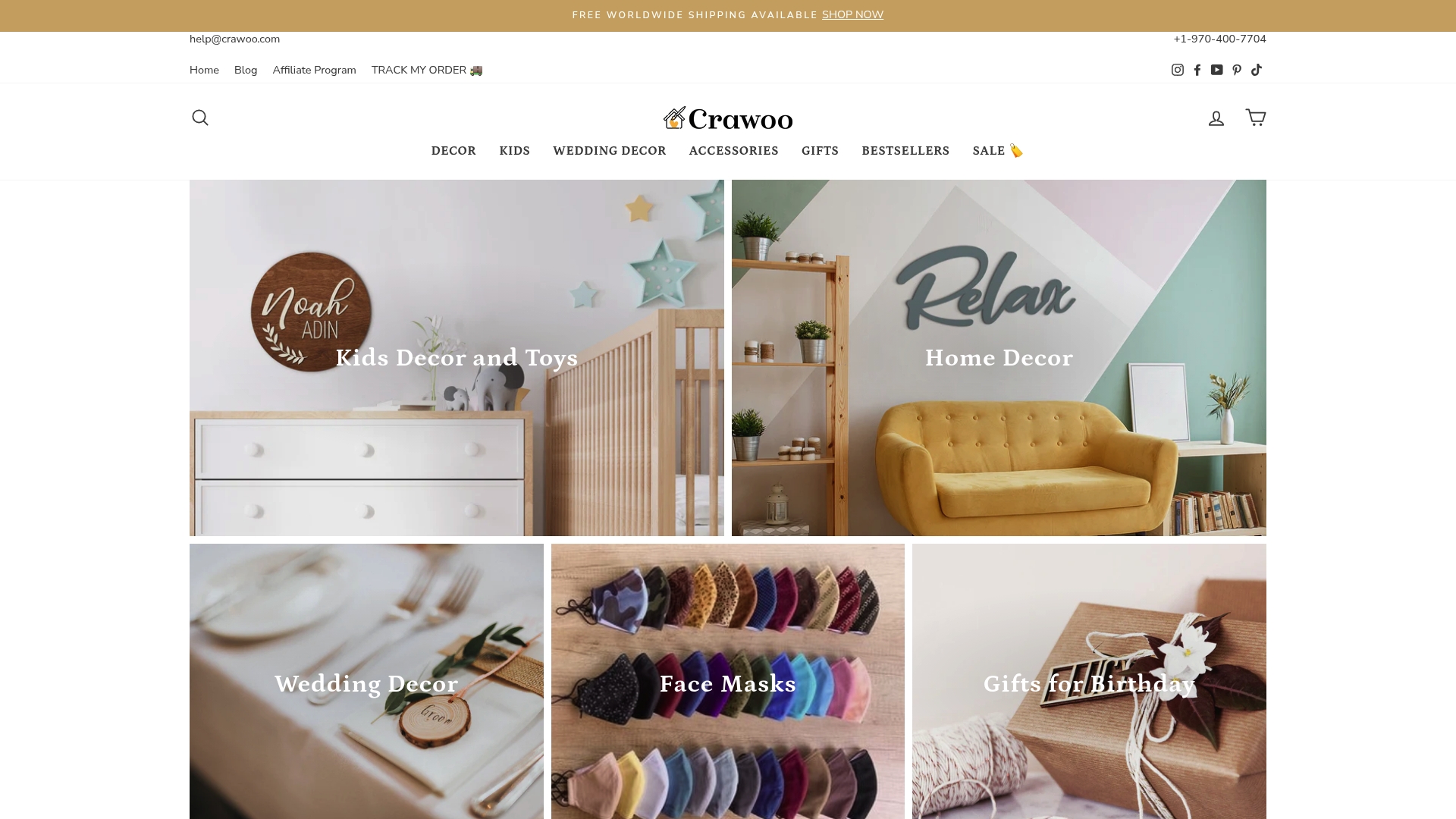
Ordering is simple with clear product descriptions, sizing guides, and finish samples helping you make confident choices. Customer reviews provide real-world insights into quality and installation experiences. For parents inspired by the examples and criteria explored in this article, Crawoo offers the perfect next step to bring personalized nursery dreams to life with pieces designed to become cherished keepsakes.
FAQ
How big should custom wall letters be for a nursery?
Letters measuring 8 to 12 inches tall work well for most nursery walls, providing clear visibility without overwhelming the space. Consider your wall dimensions and surrounding decor when selecting size. Larger letters (up to 15 inches) create dramatic focal points above cribs, while smaller letters (6 to 8 inches) suit gallery wall arrangements or shelf displays.
Can custom wooden wall letters be safely mounted in a baby’s room?
Yes, wooden letters mount safely using appropriate wall anchors rated for their weight and secure installation techniques. Choose letters with smooth, rounded edges and non-toxic finishes specifically designed for children’s spaces. Position letters high enough to prevent toddlers from pulling them down, and always follow manufacturer mounting instructions carefully.
What themes work best with personalized wall letters in nurseries?
Nature, woodland animals, nautical adventures, and storybook motifs create enchanting settings that pair beautifully with custom letters. Choose themes reflecting your family’s interests or values for deeper meaning. Letters can match themes through coordinating colors and decorative elements, or provide elegant contrast as neutral anchors in busy thematic rooms.
How do I clean and maintain wooden wall letters in a child’s room?
Dust letters regularly using soft, dry cloths to prevent buildup that dulls finishes. For deeper cleaning, lightly dampen cloths with water and mild soap, avoiding harsh chemicals that damage wood or paint. Dry immediately and thoroughly to prevent moisture damage. Periodically check mounting hardware to ensure letters remain secure as children grow more active.
When should I install custom wall letters in the nursery?
Install letters after painting and major furniture placement but before final decorating touches, allowing you to adjust positioning based on the overall room layout. This timing prevents installation damage to fresh paint while ensuring letters integrate properly with cribs, changing tables, and storage units. Many parents install letters during the third trimester, creating a welcoming space before baby arrives.
Recommended
- Buy Custom Initial Letter Wall Decor with Child’s Name & Jungle…
- Buy Disney Inspired Room Decor Personalized Baby Name Sign Kids Wal…
- Buy Custom Wood Name Signs Nursery, baby name signs for nursery online
- Buy Personalized Monstera Name Sign – Custom Boho Nursery Wall Deco…
- Unleash Your Creativity with These DIY Wedding Decor Ideas - Adelaide Wedding Venues
Subscribe to Our Newsletter
Leave a comment